

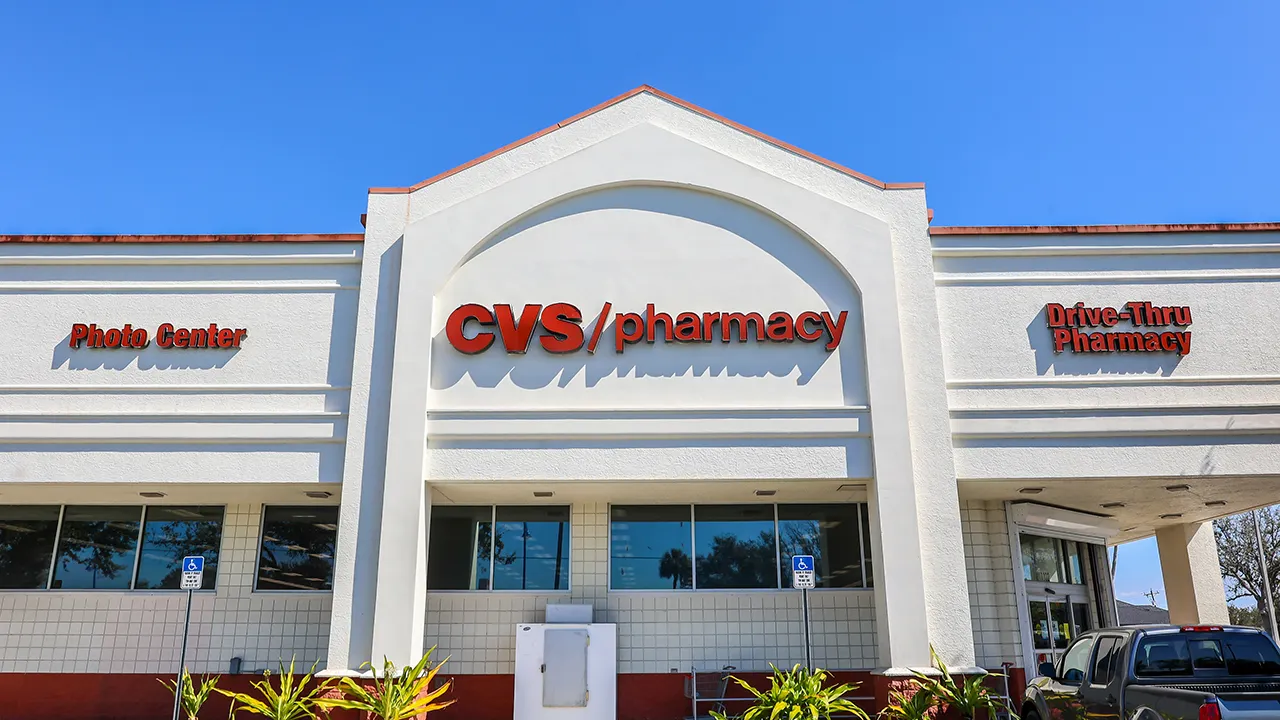

CVS Agrees to Pay $315 Million Settlement Over Opioid Prescription Fraud
In a landmark resolution to a long-standing federal investigation, CVS Pharmacy has agreed to pay $315 million to the U.S. Department of Justice to address allegations that the pharmacy chain illegally filled prescriptions for opioids and other controlled substances. The settlement, which covers prescription activity from October 2013 through December 2025, marks a significant step in the ongoing effort to combat the opioid epidemic.
Scale of the Financial Resolution
The $315 million payment represents a substantial commitment by CVS to address the federal government’s claims regarding the unlawful dispensing of controlled substances. Under the terms of the agreement, CVS will also enter into a formal arrangement with the Department of Justice that requires additional compliance measures beyond monetary compensation.
Nature of the Allegations
According to the Department of Justice, CVS allegedly violated multiple laws by filling prescriptions that lacked legitimate medical purposes or were issued outside the normal scope of professional practice. The allegations center on several concerning practices:
- Filling prescriptions involving excessive quantities of opioids
- Issuing early refills without proper medical justification
- Prescribing “trinity” combinations—prescriptions that combined an opioid, a benzodiazepine, and a muscle relaxant
- Operating “pill mill” prescribers who issued large volumes of controlled substances without legitimate medical necessity
Impact on Federal Healthcare Programs
A critical aspect of the case involves the billing of these illegal prescriptions to federal healthcare programs, particularly Medicare. The DOJ stated that many of the prescriptions CVS filled were ultimately billed to these programs and subsequently reimbursed, creating a complex web of financial exposure for the company.
Corporate Accountability and Safeguards
Beyond the financial settlement, CVS has agreed to implement stricter controls under a new agreement with the Drug Enforcement Administration. These measures include establishing a dedicated hotline for reporting suspected illegal dispensing, proactively monitoring dispensing patterns across all pharmacies, and implementing evaluation procedures for prescribers suspected of unlawful practices.
Context Within Broader Industry Challenges
This settlement occurs amid growing scrutiny of the pharmaceutical industry’s role in the opioid crisis. CVS had previously agreed to pay nearly $5 billion in 2022 to resolve thousands of opioid-related claims brought by state, local, and Native American tribal governments. The company’s history of disputes with regulators highlights systemic challenges facing pharmacy chains in ensuring compliance with evolving healthcare regulations.
Comparison to Other Pharmaceutical Settlements
The CVS settlement follows a pattern seen in other major pharmaceutical company cases. In a separate development, Walmart announced a $50 million settlement over allegations that its pharmacies filled illegal opioid prescriptions. Additionally, CVS had previously paid approximately $5 billion in 2022 for opioid-related claims, demonstrating the scale of financial commitments required to address these issues across the industry.
Industry-Wide Response to Opioid Crisis
The resolution reflects broader efforts to hold pharmaceutical companies accountable for their roles in the opioid epidemic. By agreeing to substantial payments and implementing enhanced oversight mechanisms, CVS aims to demonstrate responsibility while addressing the root causes of prescription drug abuse that have affected millions of Americans.
Business, Health, News, Government, Law, Society


