

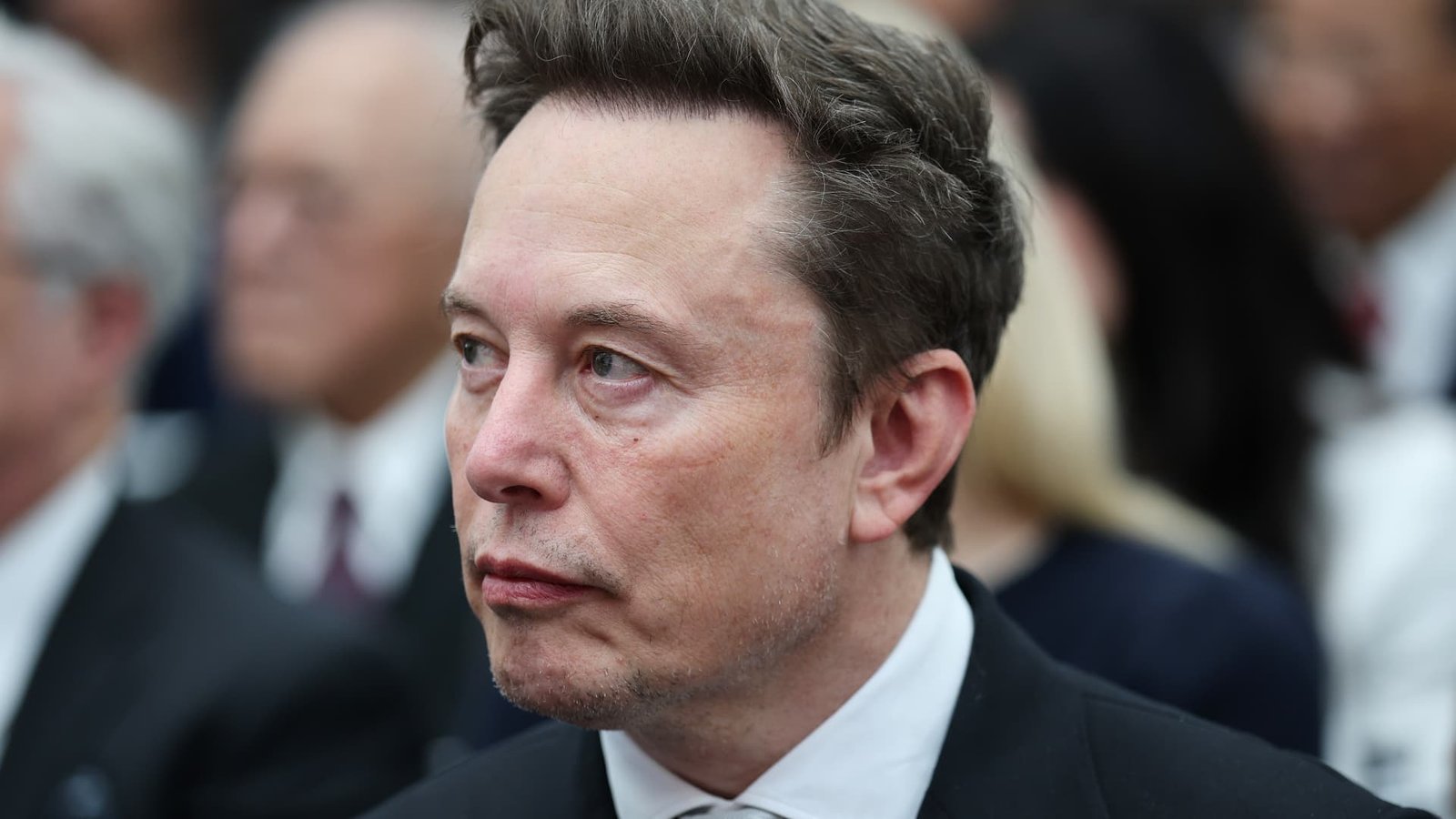

Elon Musk Pledges SpaceX Shares to Every U.S. Child via Trump Accounts: Risks, Rewards, and Legal Questions
In a bold move that has reignited debates over wealth distribution and government policy, SpaceX CEO Elon Musk announced plans to distribute company shares to every child in America through Trump Accounts—a relatively new U.S. Treasury-backed investment vehicle. The pledge, made in September 2026, follows a wave of high-profile charitable commitments to these accounts and raises significant questions about the intersection of private wealth, federal policy, and long-term financial equity.
How Trump Accounts Work: A New Era of Child Investment Vehicles
Trump Accounts, officially known as 530A accounts, were introduced by the U.S. Department of the Treasury in 2026 as part of an initiative to encourage long-term wealth-building among American families. Open to all children under 18 with valid Social Security numbers, over 70 million accounts have already been created, largely through a recent government-backed auto-enrollment program. These accounts allow donors—individuals, corporations, or foundations—to contribute assets directly into children’s investment portfolios, which are typically restricted to low-cost index funds and ETFs.
Musk’s announcement positions him as the second major philanthropist to pledge stock donations to the program, following a similar commitment from SpaceX President Gwynne Shotwell earlier in the summer. However, unlike standard contributions, Musk’s plan involves gifting actual SpaceX shares, introducing unique complexities around ownership, liquidity, and fiduciary responsibility.
The Five-Year Holding Rule
Under temporary Treasury regulations, recipients of donated stock generally cannot sell their shares for five years or until the end of the calendar year in which they turn 17, whichever comes first. Early sales are permitted only in limited scenarios, such as corporate restructurings or formal delistings—exceptions that have drawn sharp criticism from legal and financial experts.
“These rules effectively strip families of control over their child’s assets,” said Carolyn Schenck, an attorney and former IRS fraud counselor. “In traditional philanthropy, the charity or trustee retains final authority—even if a donor expresses preferences.”
Why Restrict Sales? Donor Motives vs. Beneficiary Flexibility
According to Treasury officials, the five-year restriction is designed to promote long-term wealth accumulation, particularly for lower-income families. But experts argue that the policy also serves another interest: protecting donors and their companies from potential market disruption. As Jane Ditelberg, chief tax strategist at Northern Trust, explained:
“Donors with concentrated wealth face enormous risks when gifting large stock positions. By locking in a holding period, these accounts reduce the chance that recipients might flood the market, depressing share prices.”
This logic aligns with broader tax incentives for charitable giving. Donors can claim a full charitable deduction and avoid capital gains taxes when contributing appreciated stock outright—a structure that makes gifting SpaceX shares especially attractive given the company’s skyrocketing valuation.
Tax Benefits and Financial Implications
For donors like Musk, gifting non-cash assets like stocks offers substantial tax advantages. If the shares are held long-term, beneficiaries avoid immediate taxation upon transfer, deferring gains until sale—subject to standard income tax rates at maturity.
| Beneficiary Control | Donor Protection |
|---|---|
| Locked in for 5 years; limited exit options | Shielded from mass sell-offs; stable valuation impact |
| Cannot choose alternative investments | May qualify for enhanced tax deductions |
Legal Gray Areas: Can Courts Challenge the Rules?
While the Treasury holds broad authority to govern the mechanics of Trump Accounts, some provisions may invite judicial scrutiny. One contentious issue is whether mandating that beneficiaries retain specific securities qualifies as an allowable investment strategy under existing statutes.
Jane Ditelberg noted that post-Chevron deference reforms—which limit courts’ obligation to defer to federal agency interpretations—could embolden future legal challenges:
“There’s a real risk that a court could rule these stock-specific mandates conflict with the original intent of the law.”*
Additionally, state laws granting individuals the right to disclaim inherited assets pose another layer of complexity. The current process does not explicitly accommodate such disclaimers within the Trump Account framework, potentially exposing participants to unintended liabilities.
What Comes Next for Trump Accounts and Corporate Philanthropy?
The Treasury has acknowledged uncertainty surrounding the sustainability of this donation model. In internal memos, officials cited the example of Michael and Susan Dell’s $6.25 billion cash pledge while cautioning against relying on continued mega-donations. Only a handful of pledges have been publicly identified beyond Shotwell’s and Musk’s announcements.
Meanwhile, dozens of employers have committed to seeding accounts for their employees’ children, suggesting grassroots momentum. Yet questions persist about how many companies will follow suit—and whether policymakers will refine the regulations to address mounting concerns.
Expert Outlook on Future Reforms
Adam Michel of the Cato Institute criticized the lack of donor diversity in shaping the program’s trajectory:
“Congressional oversight—not administrative fiat—is needed to ensure these accounts truly serve children’s varied needs.”*
As more high-profile figures consider participating, pressure may mount for reforms that balance donor motivations with beneficiary freedoms. For now, Musk’s pledge stands as both a defining test case and a lightning rod for ongoing debates about wealth, access, and democratic finance.
Trump Accounts represent a novel experiment in blending private enterprise with public policy—one that reflects evolving attitudes toward inequality, taxation, and intergenerational opportunity in modern America.
Business, Finance, Government, Law, Politics, Technology, Investing, Charity, Tax Policy, Space Industry, Elon Musk, SpaceX, U.S. Treasury Department, Investment Accounts, Wealth Distribution, Corporate Philanthropy


