


Amazon Q3 Earnings: AI Demand, AWS Growth, and Strategic Investments Shape Future Outlook
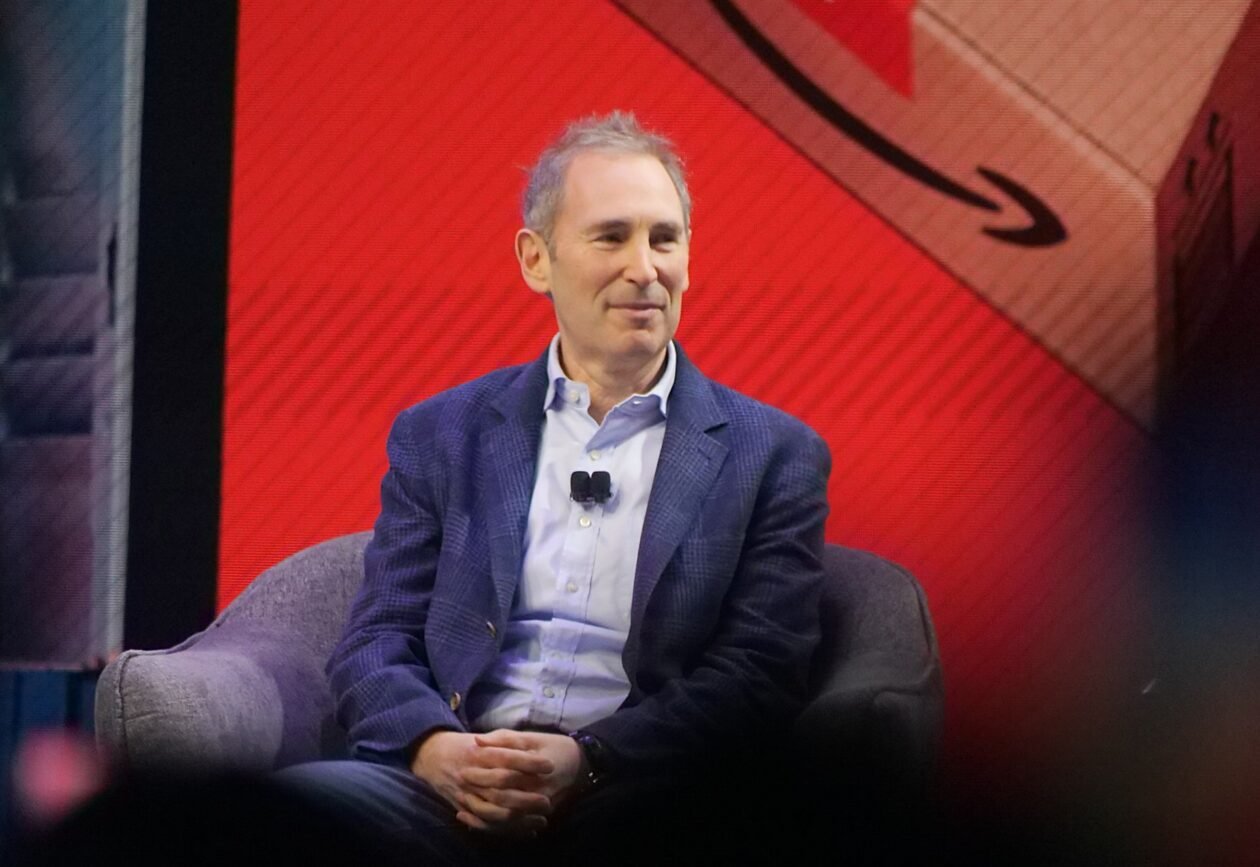
Amazon’s third-quarter earnings report arrives at a pivotal moment, as the tech giant grapples with surging demand for artificial intelligence (AI) and cloud services while navigating intensifying competition in the race to build AI infrastructure. With CEO Andy Jassy signaling a relentless push into AI-driven growth, investors and analysts are closely watching how the company balances aggressive spending against profitability and market leadership. As rivals Microsoft and Alphabet prepare their own quarterly results this week, Amazon’s strategic moves could redefine its trajectory in the evolving tech landscape.
AWS Revenue Growth Hits Five-Quarter High
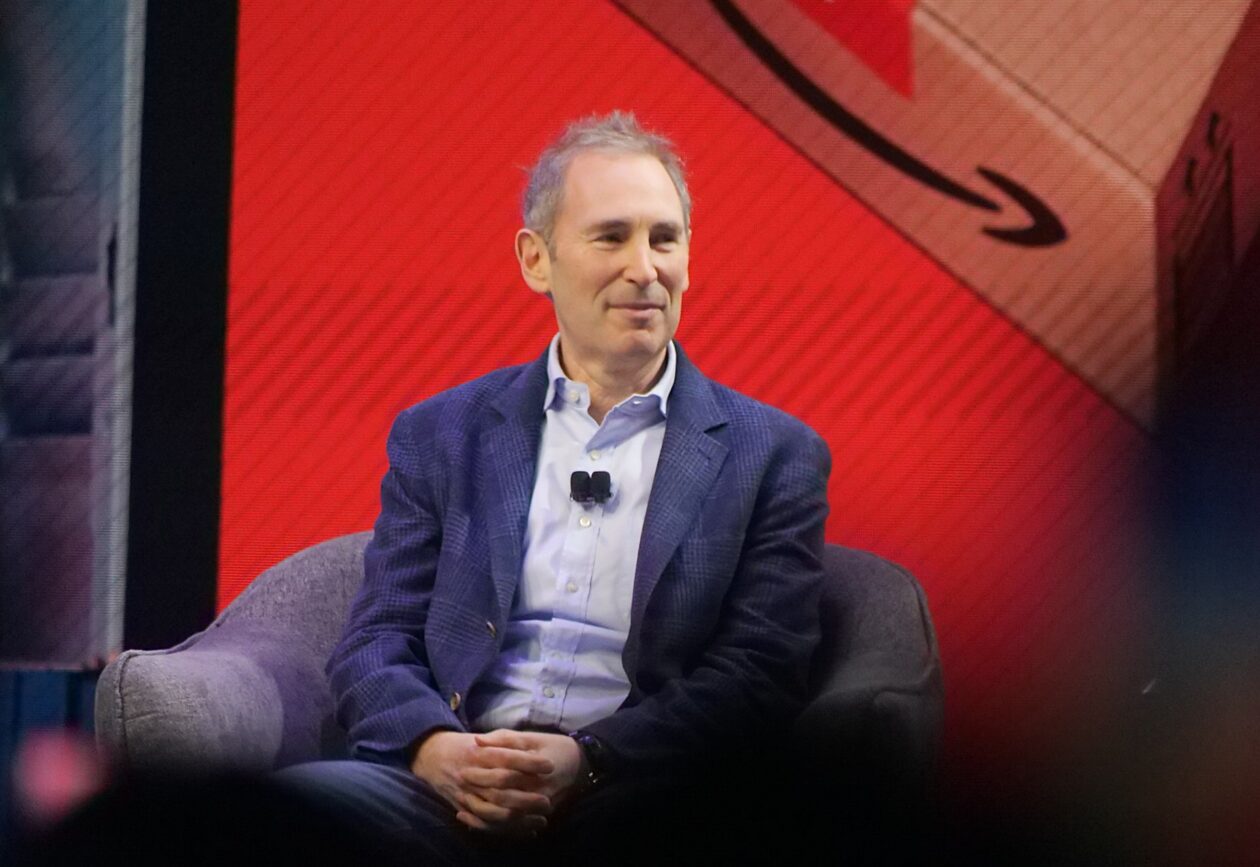
Central to Amazon’s financial outlook is its cloud division, Amazon Web Services (AWS), which continues to dominate the company’s profits and growth narrative. For the third quarter, analysts project AWS revenue of approximately $45.4 billion, reflecting a 37.5% year-over-year increase—a figure that underscores the division’s sustained momentum. This growth aligns with the second quarter’s 37% surge to $42.2 billion, marking AWS’s fastest expansion since 2021. Behind this acceleration lies soaring demand from AI startups like Anthropic and OpenAI, as well as traditional enterprise clients scaling operations in the cloud.
However, AWS’s ability to meet demand hinges on its capacity to scale infrastructure rapidly. As of June 2023, AWS had $496 billion in contracted but undelivered revenue—more than double the previous year’s total. Analysts from Wedbush and Yorkville have noted that “capacity, not demand, is the constraint,” highlighting bottlenecks in deploying new data centers and servers to fulfill customer orders. Amazon’s response has been a dramatic increase in capital expenditures, underscoring its commitment to maintaining AWS’s market leadership amid a competitive pivot toward AI-centric services.
AI Investments and Capital Allocation Strategy
Amazon’s $220 billion capital expenditure forecast for 2023—a $20 billion increase from earlier projections—reflects a calculated gamble on AI infrastructure. CEO Andy Jassy, in a recent podcast interview, emphasized that the company is “leaving a meaningful amount of demand on the table,” indicating that even current spending levels are insufficient to meet enterprise appetite for compute resources and AI development platforms. Jassy’s assertion that Amazon could “invest a lot more and it wouldn’t be a bad use of capital” signals unwavering confidence in AI’s long-term potential to drive revenue across the company.
This strategy includes advancements in custom silicon, particularly its Trainium AI chips designed to reduce the cost of training large machine learning models. While Jassy acknowledged that AI workloads remain “an order of magnitude too expensive” for widespread adoption, Amazon’s proprietary chip division is on track to generate over $25 billion annually, positioning the company as a formidable competitor to NVIDIA and AMD. Critics, however, point to the strain on free cash flow—Amazon posted negative $7.6 billion for the 12 months ending June—raising questions about the sustainability of such investments without commensurate revenue uplift.
Anthropic Stake: A Double-Edged Sword
Amazon’s stake in AI startup Anthropic complicates its financial reporting, as paper gains on the investment have historically distorted earnings per share (EPS). Last quarter, $53.4 billion in unrealized gains from its Anthropic position inflated EPS to $5.75, far exceeding the $1.82 analysts anticipated. For Q3, Anthropic’s impending IPO adds further uncertainty. As of June 30, Amazon valued its stake at $92 billion in convertible notes—a figure that could surge once the company transitions to public markets.
Anthropic’s IPO filing also reveals its growing reliance on AWS, with commitments to spend at least $110 billion on Amazon’s compute capacity through the 2030s. This partnership bolsters AWS’s revenue prospects but introduces risk if Anthropic’s performance falters post-IPO. Meanwhile, Google and Microsoft have secured larger spending commitments, underscoring the fierce competition for AI-driven cloud contracts. Amazon’s ability to retain Anthropic—and similar clients—as a top-tier provider will be a critical metric for investors evaluating its cloud strategy.
Agent Commerce: Navigating the AI Shopping Revolution
As AI-powered shopping agents proliferate, Amazon faces a new battleground: preserving its advertising revenue, which grew 26% to $19.8 billion in Q2. Analysts project Q3 ad revenue of $20.8 billion, though some warn that autonomous purchasing agents could erode margins by bypassing ad-driven web browsing. Amazon recently blocked Meta’s AI agent “Muse” for violating its policy requiring transparency in agent behavior, reflecting a defensive stance to protect its e-commerce ecosystem.
On the flip side, Amazon is quietly embracing AI agents by integrating tools like Anthropic’s Claude into its seller platform. The company also reports 250 million product listings from external retailers—a figure doubling since March—as it seeks to outpace competitors like Shopify and TikTok Shop. Whether these moves will offset the advertising risks remains unclear, but Wedbush analysts argue that Amazon’s logistics prowess and seller tools mitigate broader agent-driven threats.
Cloud Competition: Microsoft and Alphabet in the Spotlight
With Microsoft and Alphabet reporting earnings ahead of Amazon on Wednesday, the cloud landscape grows increasingly intense. Microsoft’s decision to break out Azure cloud revenue quarterly reflects investor pressure to mirror AWS’s transparency. Meanwhile, Google’s aggressive pricing and Bard AI integrations challenge AWS’s enterprise dominance. Amazon’s Q3 report will be the first to reveal how its cloud strategy stacks up against these rivals—and whether its AI investments yield measurable returns in an increasingly commoditized market.
Financial Projections and Market Reactions
Analysts expect Amazon to report $202 billion in quarterly revenue—a 12% increase, albeit slower than Q2’s 20% growth, largely due to Prime Day’s timing shift. EPS is anticipated at $1.96, flat from last year but buoyed by Anthropic’s potential upside. Investors will scrutinize guidance for fiscal 2024, particularly whether capital expenditures can stabilize cash flow without stifling innovation. The stock has risen nearly 60% this year amid optimism over AI’s transformative potential—but sustaining that momentum requires proof of execution in a high-stakes arena.
Conclusion: Betting Big on AI’s Uncertain Future
Amazon’s bet on AI and cloud infrastructure is reshaping the company’s identity, moving it further into the realm of speculative growth rather than retail dominance. While AWS’s meteoric rise and strategic AI partnerships solidify its competitive edge, the company must navigate risks in cash flow, agent-driven commerce disruption, and evolving regulations governing AI ethics. As Jassy steers Amazon through this pivotal phase, stakeholders will watch closely whether its $220 billion investment pays dividends—or strains balance sheets in an AI market that remains as volatile as it is promising.
News, Business, Finance, Computers, Internet, Online, People, Amazon, Andy Jassy, Anthropic, AI infrastructure, Cloud computing, Amazon Web Services, Microsoft, Alphabet, OpenAI, Capital expenditures, Artificial intelligence, Stock market, Investors, Earnings report, AI startups


