


The Quiet Crisis of Vaccine Delay in Pediatric Care
Understanding the Shift from Refusal to Delay
Dr. Edith Bracho-Sanchez, a primary care pediatrician at Columbia University Irving Medical Center in New York City, hosts the American Academy of Pediatrics Healthy Children podcast for parents. Her observations reveal a troubling evolution in how families approach immunizations.
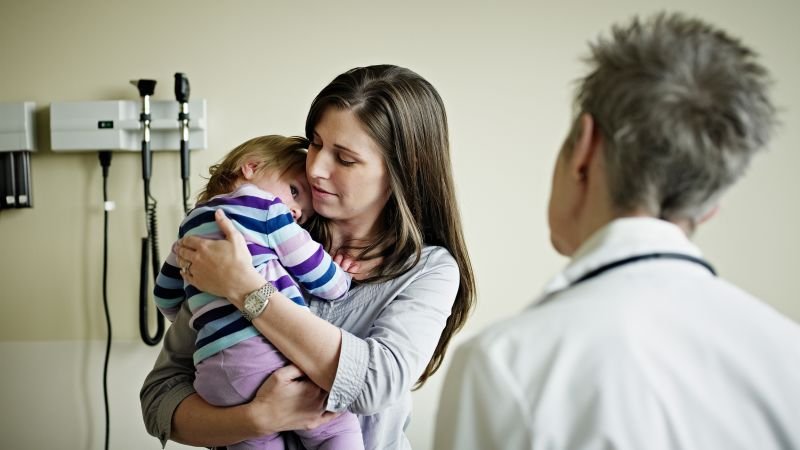
Vaccine refusal doesn’t always sound like vaccine refusal in my pediatric office anymore. More and more parents are delaying vaccines and citing logistics, outsourcing the decision to the parent who isn’t in the room, or simply wanting more time. I hear countless variations, but the result is often the same: children leave my office unvaccinated.
Stark Declines in Childhood Immunization Rates
Data underscores the urgency of this trend. During the 2025–2026 school year, 92.4% of kindergartners in the United States had completed the recommended measles, mumps, and rubella series, down from 95.2% in 2019–2020. This represents a loss of 280,000 kindergartners who attended school without documented completion of the series.
As of early October, the U.S. had recorded 4,080 confirmed measles cases in 2026 and two deaths, compared to 2,289 cases and three deaths in all of 2025, and only 285 cases with no fatalities in 2024. These numbers illustrate how quickly preventable diseases can resurge when vaccination coverage wanes.
Social and Political Pressures Fueling Reluctance
This shift reflects a worrying trend: vaccine hesitation has become so socially and politically charged that some parents avoid identifying with either extreme camp. Rather than explicitly refusing, they postpone.
During the 2025–2026 school year, the decline in vaccination rates highlights how deeply embedded vaccine confidence has become. When the disease feels theoretical and every alleged vaccine side effect is just one social media search away, parental risk calculation becomes increasingly distorted.
Reimagining Preventive Care Approaches
For me, and many of my pediatric colleagues I speak to regularly, this has led to a crucial realization: if the problem is no longer always explicit refusal, then our interventions cannot be solely designed around convincing self-declared vaccine skeptics. We must learn to respond effectively to “not today.”
When a parent tells me they’ll vaccinate next time, I respect that choice, but I’m equally clear about what waiting means: their child is leaving my office without protection against a disease we can prevent.
I’ve begun offering concrete solutions. If a parent says they need the other parent present, we call the second person together. When both parents truly require more time, I ensure they leave with reliable information and schedule their next appointment. I’ve also included grandparents in discussions and even reviewed social media videos and group chat posts to address concerns directly.
Combating Misinformation in Real Time
Addressing misinformation requires creativity and consistency. I tailor my approach to each family’s specific situation, recognizing that nuance is essential in these conversations.
If a parent indicates they need input from someone else, we coordinate accordingly. When both parents genuinely require additional time, I make sure they depart with comprehensive information and are prepared for the next conversation. My goal is to transform vague intentions like “maybe next time” into actionable plans with specific dates and times.
Clear, consistent communication remains vital. While parents retain the ultimate decision-making authority, providing transparent information about risks and benefits helps counteract the noise of falsehoods online.
Building Systemic Change for Faster Access
The solution lies not only in individual provider efforts but in systemic improvements. Our health systems must make saying “yes” to vaccines as easy as possible by improving access, streamlining workflows, and allocating more time for counseling parents with questions and concerns.
We need to recognize that an emerging group of parents may genuinely support vaccines while actively choosing to delay them. Understanding this gap—where individuals align with scientific consensus yet resist immediate action—is critical for effective public health strategy.
Research must continue to study this phenomenon, requiring adequate funding and collaboration between clinicians, policymakers, and communities. For pediatricians like me, understanding how people actually make vaccination decisions—and how those decisions are evolving—is essential to doing our job effectively.
At the end of the day, I don’t particularly care whether a parent calls themselves pro- or anti-vaccine. Viruses and bacteria don’t care either. What matters is the protection against measles, mumps, rubella, influenza, chicken pox, and more—not the label attached to the decision.
For every child to be protected, they need to receive their shots today.
Health, Education, Society, Online


