


Taurid Meteor Shower 2023: Your Guide to Halloween Fireballs
The Taurid meteor showers are not the most dazzling display in the celestial calendar, but they offer something uniquely special: slow-burning fireballs that streak across the night sky. While the Perseids in August and the Geminids in December steal the spotlight, the Taurids—active from September through November—reward patient observers with dramatic, albeit sparse, celestial events. This year, 2023, presents ideal viewing conditions, making it a prime opportunity to witness some of the sky’s most mesmerizing “Halloween fireballs.”
Unlike the rapid-fire bursts of other meteor showers, the Taurids are a “slow burn.” Their meteors travel at a leisurely pace of 17–18 miles per second (27–29 km/s), making them easier to track across the sky. This slower motion, combined with their tendency to produce fireballs, gives the Taurids a distinct charm. Whether you’re a seasoned stargazer or a curious beginner, here’s everything you need to know to maximize your chances of seeing these celestial highlights.
When Are the Southern Taurids Active in 2023?
The Southern Taurids begin their annual journey in late September, but their peak activity spans two critical periods in October and November. According to the American Meteor Society (AMS), the Southern Taurids are active from September 10 to November 20, with two distinct peaks:
- October 10–12: The first peak marks the shower’s broad maximum, offering steady if unspectacular viewing.
- November 4–5: The second peak is the main event for fireball enthusiasts. This window aligns with optimal lunar conditions—moonrise occurs late in the evening, allowing for darker skies and clearer views.
While the Southern Taurids maintain a ZHR (Zenithal Hourly Rate) of just 5–10 meteors per hour, their fireballs can outshine even the brightest planets. The absence of moonlight during the November peak makes this a prime night to witness these rare, vivid flashes.
Moon Phase Note: On November 4–5, the Moon will be a thin waxing crescent (10–15% illuminated), rising just before dawn. This timing minimizes light pollution and creates ideal conditions for fireball hunting.
Northern Taurids: October–December Fireball Chances
The Northern Taurids follow later, becoming active on October 20 and continuing through December 10. Their peak falls on November 12–13, slightly overlapping with the Southern Taurids’ second peak. This overlap extends the window for fireball sightings into mid-November.
Like their southern counterparts, Northern Taurid meteors enter Earth’s atmosphere at a slower pace (about 18 miles per second or 29 km/s). While the ZHR remains low (5–10 per hour), the combined activity of both showers can boost visibility to 10–15 meteors per hour under optimal conditions. The November 12–13 peak coincides with minimal moonlight, as the Moon will be a waning crescent (5% illuminated), further enhancing viewing opportunities.
| Key Taurid Viewing Dates 2023 | |
|---|---|
| Southern Taurids | November 4–5 (Fireball Peak) |
| Northern Taurids | November 12–13 (Main Peak) |
| Moon Phase | Minimal illumination during peaks |
Why Are They Called the ‘Halloween Fireballs’?
The term “Halloween fireballs” stems from two factors: timing and behavior. The Taurids reach their broadest activity in late October and early November, coinciding with Halloween. Their meteors are also known for producing fireballs—exceptionally bright, long-lasting streaks caused by larger debris entering Earth’s atmosphere.
These fireballs are rare but striking, often glowing in vibrant hues of yellow, green, or red. Enhanced activity occurred in 2008, 2015, and 2022, but 2023 does not expect a significant storm. Still, the absence of a bright Moon and the showers’ natural variability mean that dedicated observers have a good chance of witnessing at least one memorable fireball.
According to EarthSky, the Taurid “storm” cycle operates on a 30-year pattern, with the next predicted swarm due in 2032. However, this year’s viewing conditions remain favorable for casual fireball sightings.
What Causes the Taurid Meteor Showers?
The Taurids are linked to Comet 2P/Encke, a small but frequent visitor with the shortest known orbital period (3.25 years). As the comet disintegrates, it leaves behind a debris trail that Earth intersects annually. Unlike short-lived meteor showers, the Taurids’ broad, diffuse stream means activity is spread over several weeks rather than concentrated in a single night.
However, the Taurids are also part of a larger debris complex, possibly originating from the fragmentation of a massive object thousands of years ago. This history explains their dual nature: the Southern and Northern Taurids, while distinct, often overlap in late October and November, creating a prolonged season for fireball enthusiasts.
How to Watch the Taurid Meteor Showers in 2023
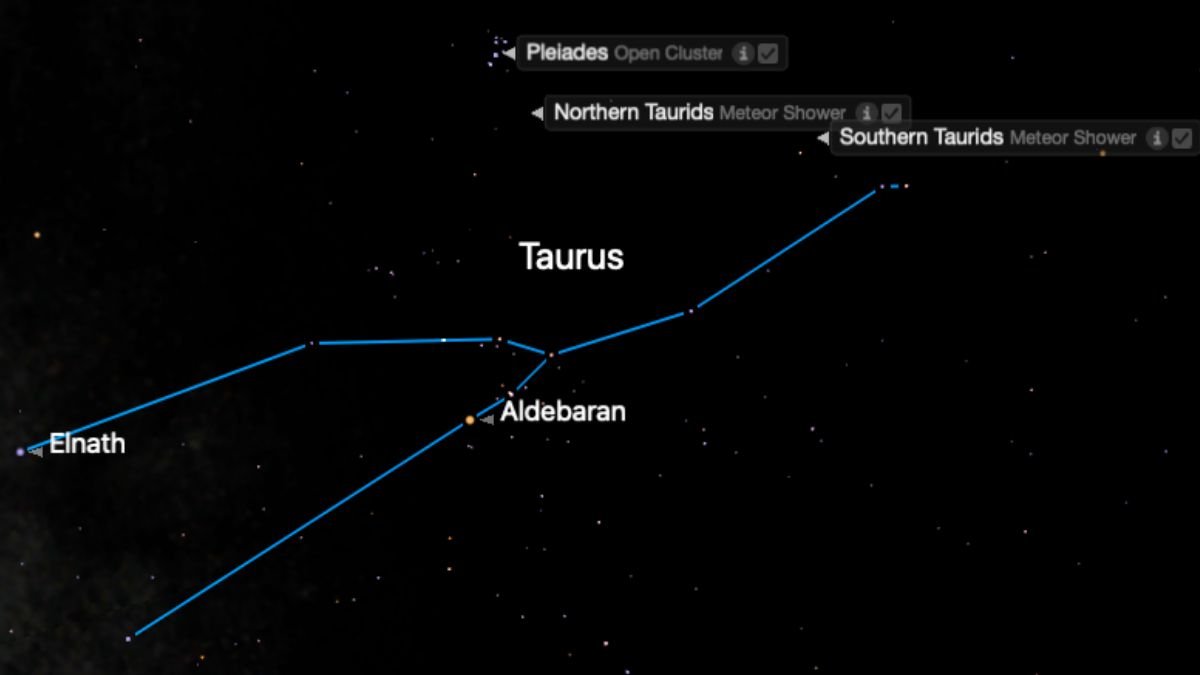
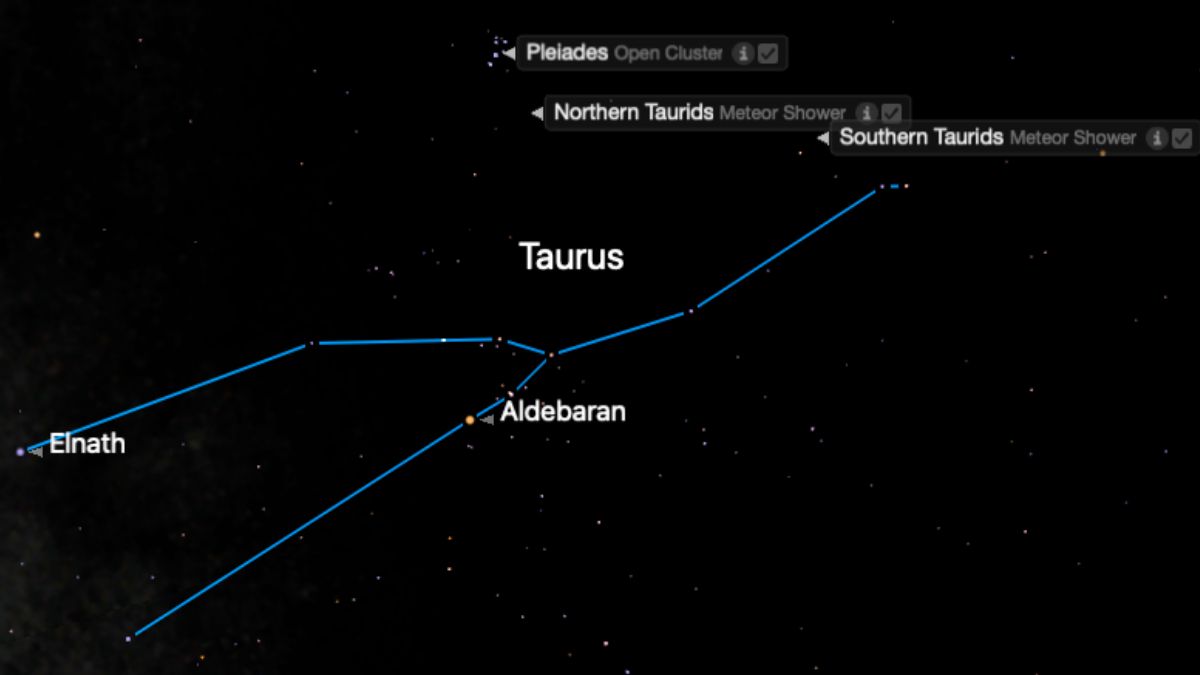
Observing the Taurids requires patience and dark skies. Both showers appear to radiate from the constellation Taurus, visible in the eastern sky after midnight. However, the meteors can appear anywhere in the sky, so avoid staring directly at Taurus. Instead:
- Choose a location away from city lights with a wide view of the sky.
- Lay back comfortably and let your eyes adjust to the dark for 20 minutes.
- Stay late—the Taurids are best observed between midnight and dawn.
- Dress warmly and bring a blanket or reclining chair for comfort.
Binoculars and telescopes aren’t necessary and may hinder your ability to spot meteors. The key is to watch quietly and give the sky time to reveal its secrets.
While the Taurids may not rival the Perseids or Geminids for sheer numbers, their fireballs and long visibility window make them a unique autumn spectacle. With favorable lunar conditions and a bit of luck, this Halloween season could deliver one of the most memorable “shooting stars” of your year.
Science, Astronomy, Space, Meteor Showers, Taurid Meteor Shower, Southern Taurids, Northern Taurids, Comet 2P/Encke, Stargazing, Sky Events, Halloween Fireballs


