

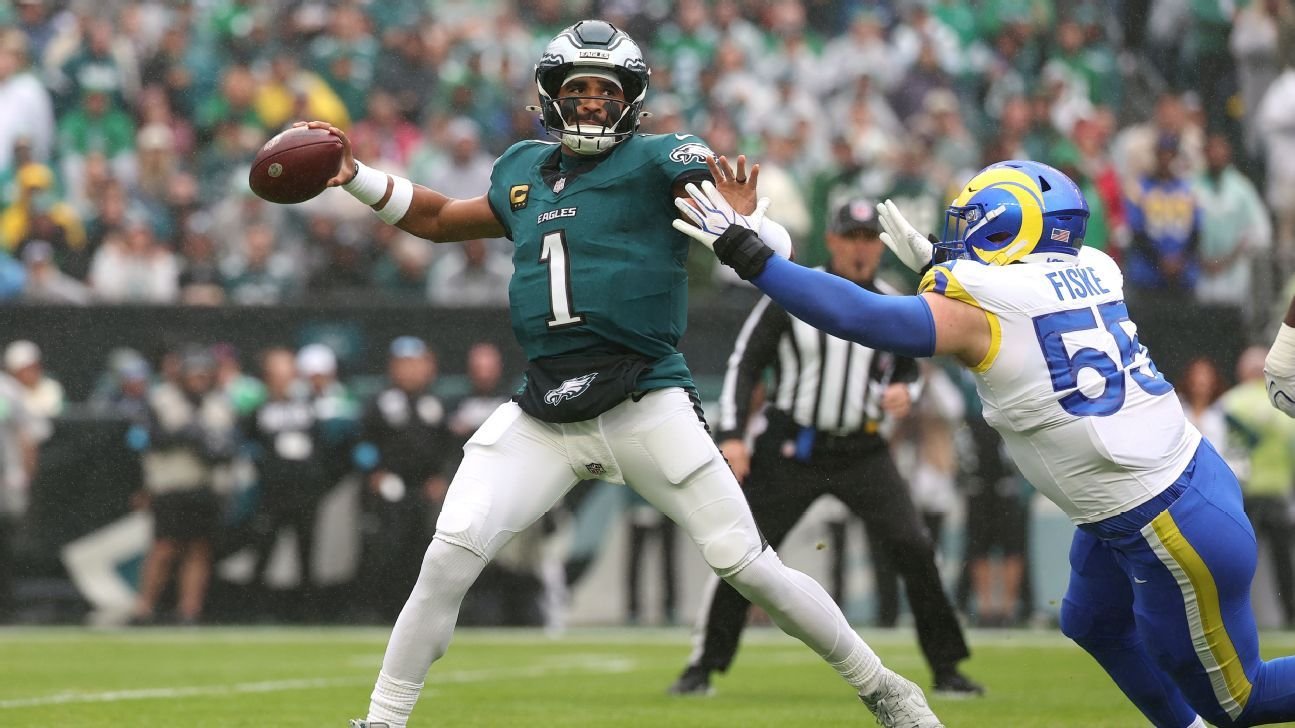

Philadelphia Eagles Place Jalen Hurts on Injured Reserve Amid Blood Clot Concern
On Saturday, October 17, 2026, the Philadelphia Eagles officially announced that star quarterback Jalen Hurts has been placed on injured reserve (IR). The decision followed extensive consultations with numerous medical experts after Hurts was diagnosed with a superficial blood clot in his calf. According to sources close to the team, the Eagles waited to make the roster move until they could gather as much medical information as possible, ultimately concluding that IR was the wisest course of action.
Why This Decision Could Shape the Eagles’ Season
The timing of the IR placement hits the Eagles hard. Hurts will miss at least the next four games—against the Carolina Panthers, Dallas Cowboys, Washington Commanders, and New York Giants—before the team’s Week 10 bye. These contests are crucial as the NFC East showdown intensifies, and the loss of a three‑time Pro Bowl quarterback threatens to compound an already turbulent stretch for Philadelphia. The team, already grappling with offensive struggles (ranked 28th–31st in key metrics) and a rash of injuries, now faces the added challenge of finding a reliable signal‑caller while Hurts undergoes treatment.
Medical Context – Understanding Blood Clots in NFL Players
Eagles officials described the clot as “superficial,” a less severe form that typically resides in the leg’s outer veins. While still serious enough to sideline a player, superficial clots are generally treatable with anticoagulants (blood thinners). The NFL’s medical protocols prohibit players from competing while on such medication, which often dictates a minimum recovery window of roughly six weeks for moderate dosing.
In Hurts’ case, the clot “moved,” according to the team, prompting doctors to favor a blood‑ thinner regimen over anti‑inflammatory therapy alone. If the clot were to worsen, treatment could extend to three months of anticoagulation. Recent surveys of league physicians suggest that a comparable clot could keep a player out for “several weeks,” with one expert estimating a possible six‑week timeline.
Immediate Roster Impact – New QBs and Backup Plans
To fill the void, Philadelphia has already set a new starting quarterback. Tanner McKee will helm the offense against the Panthers, while rookie Cole Payton has been promoted to the primary backup. In addition, the Eagles signed veteran Joe Milton off Dallas’s practice squad. NFL rules require Milton to remain on Philadelphia’s roster for a minimum of three weeks before he can be traded or placed on another unit’s practice squad.
Broader Team Challenges – Injuries and Offensive Struggles
Hurts’ absence arrives amid a broader narrative of uncertainty for the franchise. Recent weeks have seen hamstring injuries to running back Saquon Barkley and wide receiver DeVonta Smith, the retirement of future Hall of Fame tackle Lane Johnson, and the trade of Pro Bowl center Cam Jurgens. Offensively, the Eagles are among the league’s worst in points per game (18.4), total yards (262.2), yards per play (4.5), and passing yards (170.6). They have not scored 25+ points in seven straight contests—a streak unmatched since coach Nick Sirianni took the reins in 2021. The second‑half woes are particularly acute, with a 52% three‑and‑out rate that could become the worst in two decades.
Recent Roster Moves and Their Effects
Besides the quarterback changes, the Eagles have made several moves to address depth concerns. The promotion of Cole Payton provides youthful versatility, while Joe Milton’s addition brings experience after a brief stint with Dallas. These adjustments are designed to provide stability while Hurts recovers, but they also highlight the roster’s fluidity. The team’s decision to retain Milton for three weeks reflects a strategic approach to roster management, ensuring they have a viable option without prematurely committing to a long‑term solution.
What Lies Ahead for Fans and the Division
Fan sentiment is mixed. While many express concern over the loss of a quarterback who has led Philadelphia to multiple playoff appearances, there is also an undercurrent of optimism surrounding the depth the Eagles now possess. The NFC East remains tightly contested, and a strong performance from McKee and the newly added pieces could keep the Eagles in the playoff picture. The upcoming bye week offers a critical respite, allowing the medical team to fine‑tune Hurts’ treatment plan and giving the organization a chance to evaluate both his health and the team’s overall trajectory.
Looking forward, the Eagles will likely monitor Hurts’ progress closely. Should his treatment progress smoothly, a return before the end of the season remains possible, though the six‑week minimum suggests a return in late November at the earliest. In the meantime, the team’s ability to adapt on the field will be the key metric for success, both for the remainder of 2026 and heading into the 2027 campaign.
Overall, the IR designation marks a significant turning point for Philadelphia, underscoring the delicate balance between player health and competitive ambition in the modern NFL.
Sports, News, Health, People, Society, Business


