


2026 Senate Battle: Democrats Aim for Record Flip in Trump‑Won States
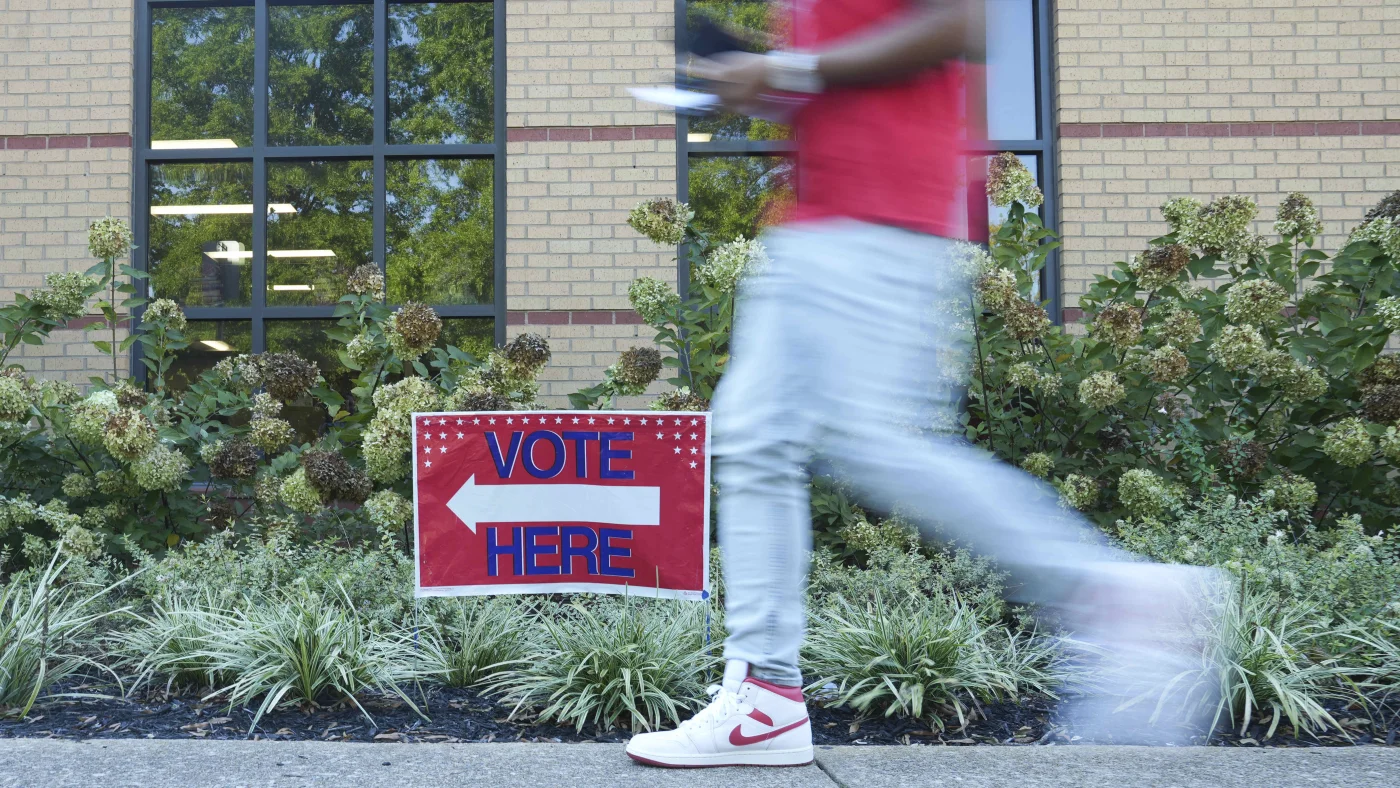
Early voting opened on October 13, 2026, in key battlegrounds across the country, as both parties gear up for what many analysts are calling the most unpredictable midterm Senate cycle in recent memory. Democrats, who were written off just months ago, now see a path to capture the Senate by targeting states that gave Donald Trump double‑digit victories in 2024.
Why the Landscape Has Shifted
The political calculus changed dramatically after the unexpected escalation of the Iran‑Syria conflict, which has reshaped voter priorities and energized Democratic bases in traditionally red territory. According to the Cook Political Report, 2024‑Trump states such as Alaska, Iowa, Kansas, Ohio and Texas are now classified as “Toss‑Ups,” reflecting a surge in competitive polling numbers, campaign spending and surrogate activity.
The Democratic Senatorial Campaign Committee (DSCC) points to a wave of candidates who are gaining traction in deep‑red environments. “I’m very energized,” said Sen. Kirsten Gillibrand, D‑N.Y., the DSCC chair, noting the party’s expanding footprint in places that were previously considered safe GOP seats. The push is also reflected in recent advertising expenditures, with Democrats out‑spending Republicans in several of these states for the first time in recent memory.
Tier 1: North Carolina
The Must‑Flip Prize
Former Gov. Roy Cooper is the early favorite to become the state’s next senator. Even President Trump has acknowledged Cooper’s strength, joking during a North Carolina stop, “He’s going to become your senator, and it’s crazy.” The race is rated “Likely Democrat” by Cook, as the state’s shifting demographics and a robust Democratic turnout operation give the party a solid edge.
Tier 2: Michigan and Ohio
Michigan – A Progressive Test Case
In Michigan, Democrat Abdul El‑Said is challenging the GOP’s attempt to hold a seat that Trump won by a single point in 2024. The contest has become a laboratory for whether a bold progressive platform can win in a purple state, especially as former Rep. Mike Rogers (R) leans into MAGA rhetoric and controversial attacks.
Ohio – Sherrod Brown’s Comeback
Sherrod Brown (D) is mounting a comeback after his 2024 loss, turning the race into a showdown between his high name recognition and the GOP’s narrative that treats him as an incumbent. Incumbent Sen. John Husted (R) has received overt support from Trump, who has highlighted Husted’s physical presence on the campaign trail. Economic concerns, gas prices and the expansion of AI data centers are giving Democrats an opening in a state that has voted Republican in the last three elections.
Tier 3: Alaska, Iowa, Maine, Texas
Alaska – A Contest Marked by Scandal
The Alaska race is officially a “Toss‑Up” after a late‑season recruiting controversy involving former Democratic candidate Mary Peltola’s campaign. The alleged attempt to draft Daniel J. Sullivan (D) to run against incumbent Dan Sullivan (R) has generated headlines and voter confusion, underscoring the state’s unpredictable electoral dynamics.
Iowa – Leftward Momentum from the Governor’s Race
Iowa’s Senate contest pits Democrat Josh Turek against Trump‑backed Rep. Ashley Hinson (R). The agricultural economy’s struggles with tariffs, the Iran conflict and rising diesel costs have put Republicans on defense. Meanwhile, Democratic gubernatorial candidate Rob Sand is delivering strong grassroots energy that could lift Senate turnout.
Maine – Collins’s Third Run
Sens. Susan Collins (R) is seeking a fourth term in a state that narrowly voted for Kamala Harris (D) in 2024. Polls show a tight race between Collins and Democrat Troy Jackson. The state’s status as a “Toss‑Up” reflects both Collins’s lingering appeal and the Democratic base’s enthusiasm in the only Toss‑Up state Harris carried.
Texas – A Race on the Edge
Texas’s open Senate seat, vacated by retiring Sen. John Cornyn, has become a high‑stakes battle. Democrat James Talarico, a state representative, has led in most polls, while the GOP’s nomination of scandal‑plagued Attorney General Ken Paxton has drawn record spending—over $500 million total, with Republicans contributing more than $300 million. Though Democrats have not won a statewide race in Texas since 1994, Talarico’s consistent polling lead, coupled with strong Latino turnout driven by Gina Hinojosa’s gubernatorial campaign, makes this race a genuine possibility for a flip.
Tier 4: Kansas, Minnesota, New Hampshire, South Carolina
Kansas – A Surprising Toss‑Up
Incumbent Sen. Roger Marshall (R) faces a strong challenge from pastor Adam Hamilton (D). Economic headwinds linked to Trump’s trade policies have made this race tighter than expected, though Republicans remain confident that the state’s conservative lean will prevail.
Minnesota – Leaning Democratic but Under Pressure
One of only three states Harris carried in 2024, Minnesota is showing signs of movement toward the GOP. Democrat Peggy Flanagan (Lt. Gov.) is facing attacks over a state oversight failure related to a Medicare fraud scandal. Former NFL reporter Michelle Tafoya (R) has gained traction, making the race a “Lean Democrat” rather than a sure flip.
New Hampshire – A Top Republican Target
Republicans believed they had a strong recruit in former Sen. Jon Sununu, but the field shifted when Rep. Chris Pappas (D) emerged as the slight favorite. National political trends and the retirement of Sen. Maggie Hassan (D) have kept this “Lean Democrat” race competitive, with the gubernatorial contest potentially influencing down‑ballot outcomes.
South Carolina – A Rare Democratic Hope
South Carolina, where Trump won by 18 points, is rated “Lean Republican.” The death of Sen. Lindsey Graham created an opening, but the GOP’s nomination of his sister Darline Graham has struggled against Democrat Annie Andrews in a race that could hinge on Black voter turnout.
Tier 5: Mississippi, Nebraska, Georgia
Mississippi – Solid GOP Hold
Despite a robust Democratic field, Mississippi remains “Likely Republican.” The state’s strong white turnout for GOP candidates, combined with a 20‑plus‑point Trump margin, makes a flip highly unlikely, though Democrats continue to argue that national headwinds could shift the dynamics.
Nebraska – Independent Impact
Independent candidate Dan Osborn has kept the Nebraska race competitive, but Republicans remain confident that incumbent Sen. Ben Ricketts (R) will secure the seat. Osborn’s presence underscores the broader anti‑incumbent sentiment and the challenges the Republican brand faces in some red states.
Georgia – A Democratic Stronghold
Georgia, once considered a top GOP target, is now a “Likely Democrat.” Incumbent Sen. Raff Ossoff (D) has built a massive war chest and strong grassroots support, making this race a lock for Democrats. Political analysts expect Ossoff to be a marquee figure in any 2028 Senate campaign.
Key Factors: Turnout and Money
While candidate quality and local issues drive many of these contests, Republican turnout will likely decide the overall Senate balance. Low GOP participation in key swing states could allow Democrats to net four or more seats, whereas strong Republican mobilization could limit Democratic gains to two or three.
Financially, the 2026 cycle has already eclipsed previous midterms. Total spending in the Texas race alone exceeds a half‑billion dollars, reflecting the national parties’ willingness to invest in reshaping the Senate’s composition. Campaign ads focusing on economic policy, national security and cultural issues dominate the airwaves, especially in the Tier 1 through Tier 3 battlegrounds.
Outlook for November 2026
As Election Day approaches, analysts are watching early‑voting numbers in the Tier 1 and Tier 2 states for clues about final outcomes. The competitive nature of these races suggests that a modest Republican underperformance could hand Democrats the majority, but a energized GOP base could keep the Senate in Republican hands.
Historically, midterms have punished the party holding the White House. However, the unique geopolitical climate—driven by the Iran conflict and domestic economic pressures—has created openings for both sides. The Senate’s composition in 2027 will reflect not only local dynamics but also the national political mood that has turned several deep‑red states into genuine contests.
Conclusion
The 2026 Senate cycle has reshaped the electoral map, turning what was expected to be a Republican stronghold into a field of opportunities for Democrats. With Toss‑Ups now spanning the heartland and the coasts, the battle for Senate control hinges on voter enthusiasm, campaign spending and the ability of candidates to connect local concerns to national narratives. Whether Democrats can capitalize on this historic shift remains the central question as the nation heads to the polls in November.
Government,News,People,Society,Finance,Business,Law


