

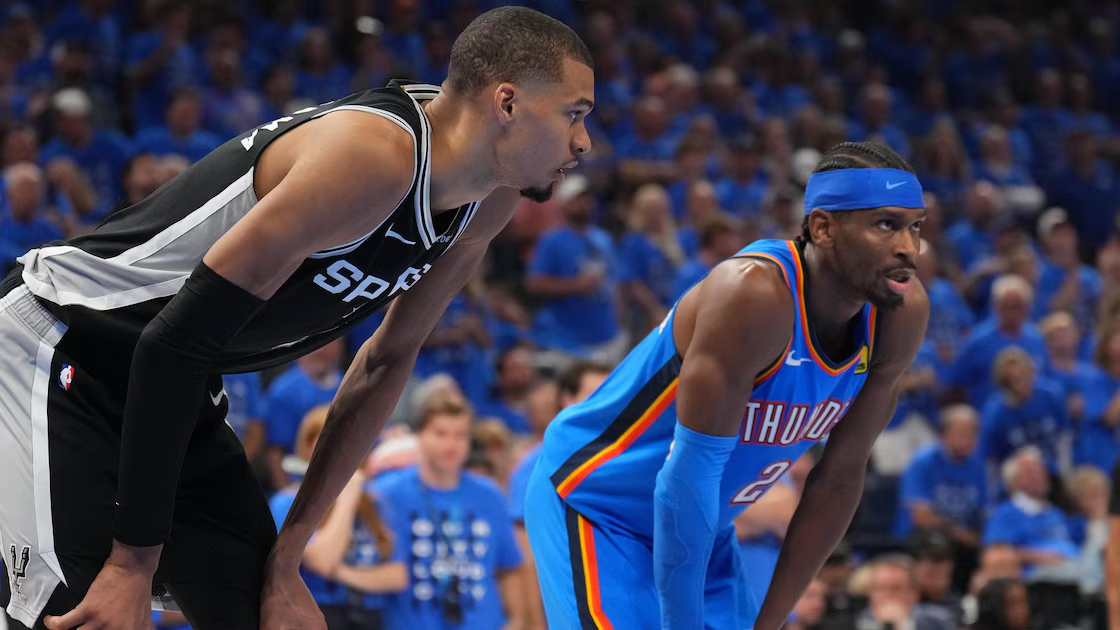

Why the NBA Starting Lineup Debate Matters More Than the Finish
NBA coaches will swear up and down that it is not about which players start but which players finish games.
Our well-reasoned, rational, wholly mature response: Psshhh!
OK, so closing games is actually a big deal, but starting them is, too. It is a big honor, for one, and clearly a point of pride. Not to mention, coaches obviously want their teams to get off to a good start, so it means quite a bit being one of the five players tasked with getting that done.
The (very) early portion of the 2026-27 season has given us glimpses of how teams will deploy their starters, so let us break down and rank every team’s starting lineup based on fit, talent, production and potential.
These rankings assess each team’s expected starting lineup, including regular starters who missed opening night, rather than strictly the five players who started its opener.
The Coach’s Claim and the Starting Lineup Debate
The public posture from NBA coaches is usually built on trust. They will point to closing games, late-game execution and the difficulty of finding a reliable closer. The official language is simple: the finish is about execution, experience and trust.
The unspoken truth is that the start is about pressure, rhythm and pride. Being named a starter is not just a lineup decision. It is a message to the locker room, a nod to a player’s perceived readiness and a way for a coach to install a preferred style from the opening tip. Coaches will downplay the honor when asked, but team behavior often tells a different story.
What Makes an NBA Starting Lineup Tick
An NBA starting lineup ranking should not be built on one stat alone. Fit, talent, production and potential all play different roles. Fit covers spacing, defensive compatibility and how well a group handles the ball. Talent covers baseline skill and upside. Production covers how starters have actually played. Potential covers what the group could become if health, development or lineup changes intervene.
That is why a team with three elite scorers can rank lower than a more balanced group if the defense suffers or if the offense stagnates. The best lineups are not simply the most talented quintets. They are the ones that maximize options while minimizing friction.
Ranking Fit, Talent, Production, and Potential
A useful ranking process would separate the final judgment from the conversation. First, identify the expected starters, including those who missed opening night. Second, compare them with the actual opener. Third, weigh coaching trust, health, matchups and bench development. Fourth, rank based on a composite of fit, talent, production and potential rather than a single nightly box score.
This approach matters because the NBA is a league of short seasons and long rebuilds. A team’s starting five can change from game to game, especially when a rookie, a veteran or an injured star becomes available. Rankings, then, should be treated as snapshots of intent, not permanent verdicts.
Expected Starters Versus Actual Starters
The source material makes an important distinction: the ranking should assess the expected starting lineup, including regular starters who missed opening night, rather than strictly the five who started the opener. That distinction is crucial in a league where injuries, rest and strategy can alter the opening night picture.
If a regular starter is out, the team may slide a younger player into a starting role. That player may be more talented than the veteran in some areas, but the fit could be less proven. The ranking should reflect the likely or expected group, not just the lineup that opened the season.
Why Both Starts and Stops Matter
Closing games is not a trivial task. It requires execution, communication and the ability to remain calm under pressure. But starting games is not the absence of that challenge. It is the first layer of it. The first bucket, the first stop, the first possession can shape a team’s confidence and a player’s sense of belonging.
The strongest organizations tend to care about both ends, even if their public messaging focuses on finishing. A team that starts well and closes well usually has a more complete identity. A team that starts poorly but closes well may still be dangerous, but it may also struggle to build sustainable momentum.
The Bottom Line for NBA Lineups
The debate over starts and finishes is ultimately a debate about how teams define success. If the answer is only about the final possessions, the league will keep having the same argument. If the answer includes preparation, pride, fit and early execution, then starting lineups deserve the same scrutiny as closing lineups.
For the 2026-27 season and beyond, the most revealing analysis will come from how teams deploy their starters, how injuries reshape expectations and how early performances inform rankings. Until then, the smart take is simple: coaches can insist it is about finishing, but the league knows better. Starting lineups are not a lesser challenge. They are simply the first one.
Sports, Basketball, NBA, Sports News


