


Trial Timeline Uncertain in Charlie Kirk Murder Case as Judge Weighs Competing Schedules
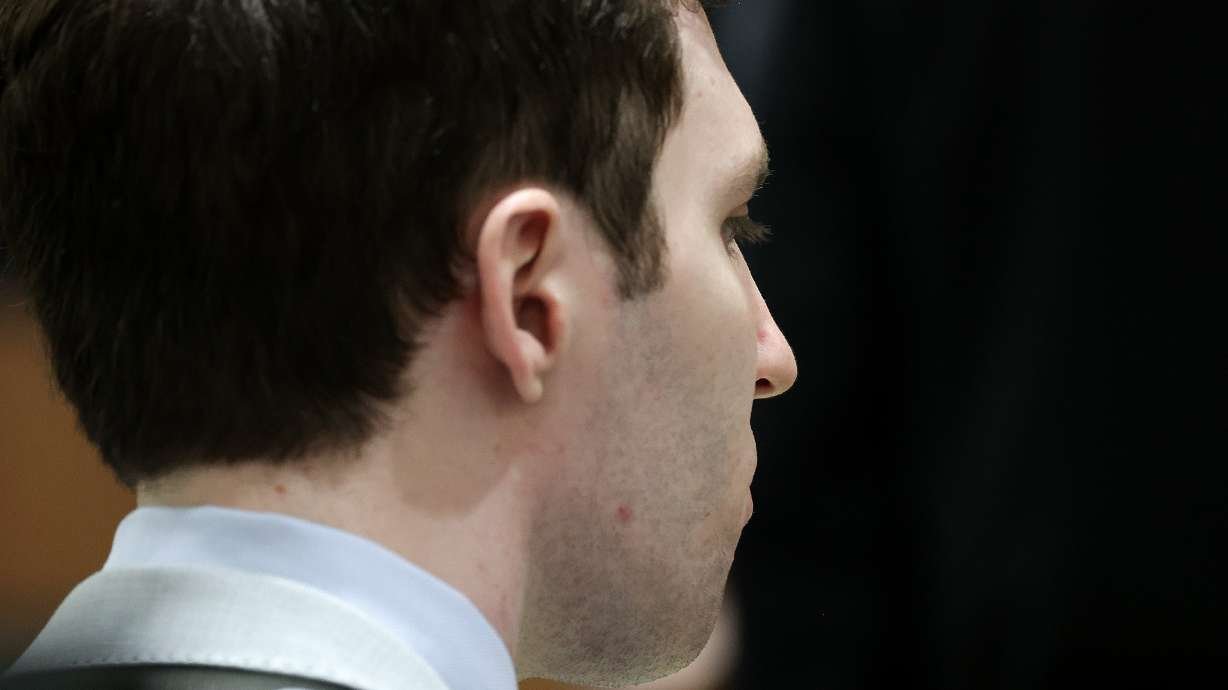
PROVO, Utah — A pretrial hearing for Tyler James Robinson, the 23-year-old charged with aggravated murder in the September 2025 shooting death of conservative commentator Charlie Kirk at Utah Valley University, concluded Friday without a firm trial date. Fourth District Judge Tony Graf indicated he would issue a scheduling order by November 9 but declined to commit to setting specific trial dates, citing the complexity of the death penalty case and competing timeline proposals from the defense, prosecution, and the victim’s family.
Background: High-Profile Campus Shooting
Robinson was ordered to stand trial in September 2026 on seven charges, including aggravated murder, for allegedly shooting Kirk during a Turning Point USA rally on the UVU campus on September 10, 2025. The Utah County Attorney’s Office has announced its intention to seek the death penalty, elevating the procedural stakes and triggering heightened scrutiny requirements at every stage of litigation.
Friday’s three-hour hearing, closed to the public and press except for approved victims and attorneys, addressed scheduling, discovery progress, jury selection logistics, and the competing constitutional imperatives of the defendant’s right to adequate preparation and the victim’s family’s right to a speedy trial.
Current Status: No Trial Date Set
Judge Graf acknowledged the urgency expressed by all parties but emphasized the need for a realistic schedule. “He said that if trial dates are not set, there is no ‘frozen period,’ meaning other trials will be scheduled, and he expressed concern about Robinson’s and the Charlie Kirk family’s right to a speedy trial,” according to court observers.
The judge stated he wants to include trial dates in his scheduling order but does not want “to set something that’s impossible.” Both prosecution and defense characterized the case as a priority.
Defense Seeks Three-Year Preparation Window
Robinson’s legal team, led by attorney Staci Visser, submitted a timeline proposing a trial start in the third quarter of 2029 — nearly three years from the hearing date — with an estimated seven-month trial duration. They requested a “soft” trial date, arguing that rushing preparation in a capital case invites reversible error.
“The reality is that rushing to trial does not lead to closure … it leads to mistakes,” Visser told the court, warning that insufficient preparation could necessitate a retrial.
Visser detailed the discovery burden: approximately 31,000 discrete pieces of evidence and 8 million digital artifacts or files. She estimated the defense is only 25% through the review process and needs at least nine more months, realistically a year, to complete it. The defense also noted scheduling conflicts, including a three-month trial for one attorney coinciding with the prosecution’s proposed start date.
Prosecution Pushes for January 2028 Start
Deputy Utah County Attorney Chad Grunander countered with a proposal for a 17-week (approximately four-month) trial beginning January 31, 2028. In a memorandum, the prosecution stated it would be ready to proceed within a week and urged the court to set dates “as firm as possible” to facilitate preparation.
Prosecutors disputed the defense’s characterization of the discovery volume. Deputy County Attorney Ryan McBride, overseeing discovery for the state, described much of the material as one- or two-page PDF documents — largely tips without merit — and noted the office outsourced digital forensics for efficiency. McBride asserted the prosecution has provided all materials in its possession aside from items subject to ongoing disputes over disclosure obligations.
Kirk Family Demands Expedited Timeline
Erika Kirk, Charlie Kirk’s widow, filed a motion Thursday requesting a trial start as early as possible in 2027. Her attorney, Jeffrey Neiman, argued that the defense’s proposed four-year timeline is “grossly out of line” with comparable Utah murder cases, which typically reach trial within one to two years, and would cost taxpayers millions.
“Utah law requires that the victims’ interests receive actual weight in setting trial. … Those interests include a judicial process that is fair, transparent, and without needless delay,” the motion states.
In court, Neiman emphasized the human toll: Kirk’s children, ages 1 and 3 at the time of his death, would spend more time waiting for trial than they spent with their father. He rejected the notion of avoiding holiday scheduling, noting “each holiday the Kirk family has is one without him,” and urged the judge: “If you set (trial), it will happen. Set it, please.”
Discovery Disputes and Legal Standards
A central point of contention involves the applicable standard of review in a capital case. Visser argued that defense duties are “heightened” and require coordination of a “village” of qualified experts. Deputy County Attorney Chris Ballard countered that while heightened reliability is required at certain stages — particularly sentencing — the defense is not entitled to “more resources, different rules or changed due process standards” at every phase.
Ballard cited precedent establishing that the baseline standards for defense attorneys were themselves set in death penalty cases, rejecting the argument that capital designation automatically expands procedural entitlements across the board.
Jury Selection: Unprecedented Scale
Both sides estimated mailing questionnaires to 3,000 prospective jurors — the largest pool any participating attorney had encountered — reflecting the case’s high profile and the difficulty of seating an impartial jury in a politically charged capital case. Attorneys on both sides agreed the trial should not be scheduled over Thanksgiving or Christmas, citing juror availability and the practical difficulty of enforcing sequestration rules during holidays.
Venue Considerations
Defense attorney Kathryn Nester, who handled venue motions in the Kouri Richins murder trial, estimated the venue litigation process alone would take five to six months. She noted the defense has been building its mitigation case “since day one,” a necessary component in any death penalty proceeding.
Next Steps: November 9 Ruling Expected
Judge Graf took the competing proposals under advisement and intends to issue a scheduling order by November 9. The order will address pretrial deadlines, discovery completion targets, and potentially — though not guaranteed — a trial date or date range. Until then, the case remains in a procedural holding pattern, with the constitutional rights of the defendant, the statutory rights of the victim’s family, and the practical realities of a massive capital prosecution all in tension.
The outcome will set the trajectory for one of Utah’s most closely watched criminal cases in recent memory, with implications for how the state’s courts balance speed and thoroughness in death penalty litigation.
News, Law, Government, Society, Crime, Criminal Justice, Death Penalty, Utah, Provo, Utah Valley University, Charlie Kirk, Tyler Robinson, Turning Point USA, Aggravated Murder, Capital Case, Pretrial Hearing, Discovery, Jury Selection, Victims Rights, Speedy Trial, Legal Proceedings, Court Scheduling, Fourth District Court, Judge Tony Graf, Erika Kirk, Staci Visser, Chad Grunander, Jeffrey Neiman, Ryan McBride, Chris Ballard, Kathryn Nester


