

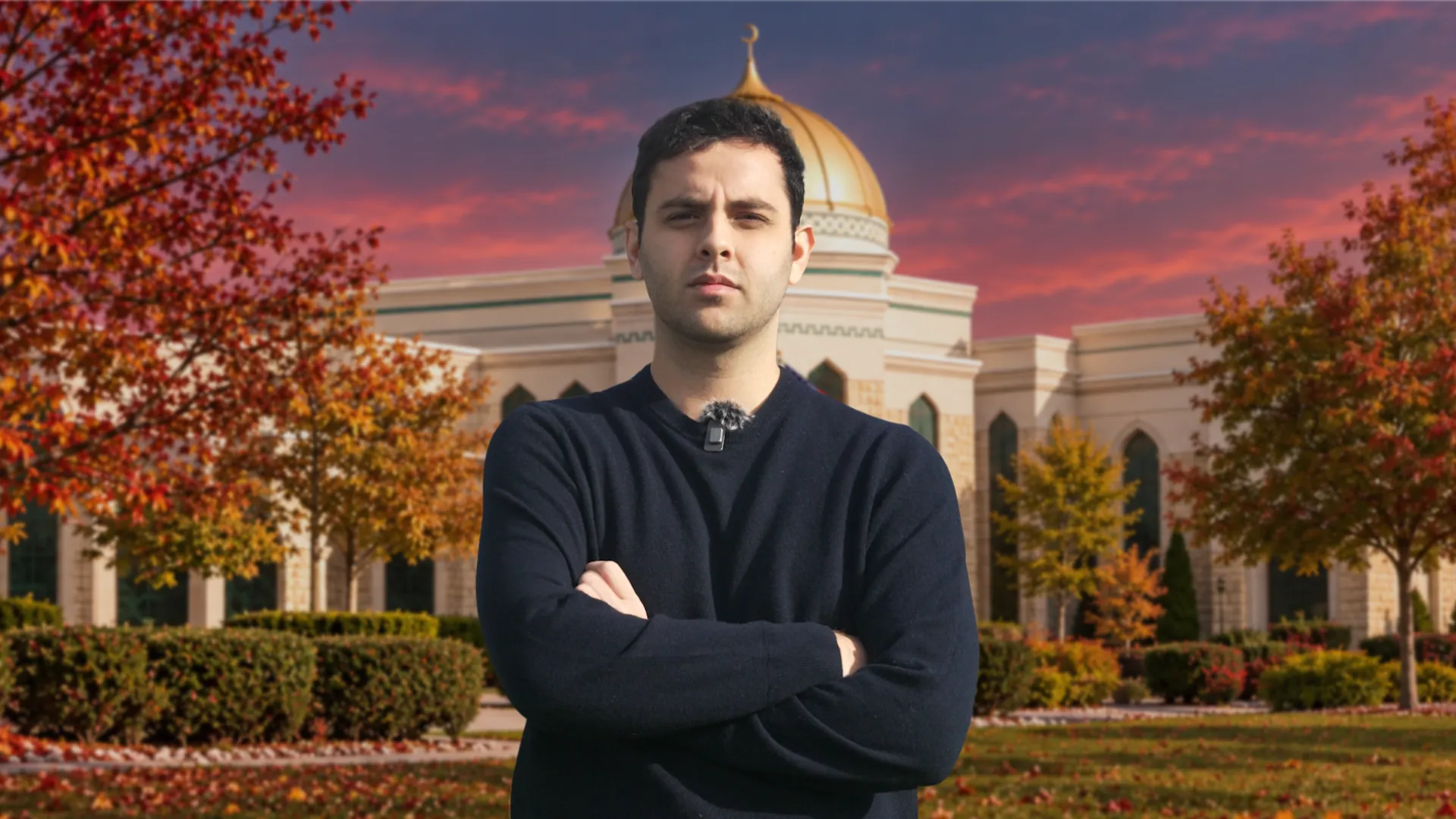

The Race for Michigan’s First Muslim Senator
As the 2026 midterm elections approach, the possibility of a historic first is drawing attention in Michigan. Abdul El‑Sayed, the former Detroit health director and a prominent Muslim American, is reportedly considering a run for the U.S. Senate. If successful, he would become the first Muslim elected to the Senate, a milestone that would resonate far beyond the Great Lakes state.
Muslim Voters and the 2024 Election
In the 2024 presidential contest, Michigan’s Muslim community found itself at the center of a political realignment. According to reporting by Al Jazeera, a segment of Muslim voters in Dearborn and surrounding areas cast ballots for Donald Trump, a departure from previous cycles that helped tip the state’s narrow margin. The shift has sparked debate about changing political allegiances within the community and the broader implications for future elections.
Abdul El‑Sayed’s Political Ascent
El‑Sayed first rose to prominence as the director of the Detroit Department of Health and Wellness, where he oversaw public‑health initiatives and gained a reputation for progressive activism. He mounted a gubernatorial campaign in 2018, energizing young voters and highlighting issues of economic inequality. Though he did not secure the nomination, his run established him as a leading voice for Muslim representation in American politics.
From Public Health to the Campaign Trail
After leaving city government, El‑Sayed joined a think tank and continued to write about public policy. His decision to explore a Senate bid reflects a broader trend of Muslim Americans seeking higher office, buoyed by growing civic engagement and a desire to counteract rising Islamophobia.
Faith Under Fire on Social Media
Any campaign by El‑Sayed would likely attract intense scrutiny. Already, social‑media platforms have seen a surge of posts questioning his loyalty and linking him to extremist groups—claims that fact‑checkers have labeled unfounded. Critics argue that such rhetoric exploits anti‑Muslim sentiment, while supporters say it underscores the challenges Muslim candidates face in mainstream politics.
Community Leaders Respond
Local imams, civil‑rights activists, and elected officials have rallied behind El‑Sayed, condemning the online harassment and calling for greater representation. “We are tired of being asked to prove our patriotism,” said one community leader in Dearborn, echoing sentiments shared at a recent town hall.
What’s at Stake in 2026
The 2026 Senate race in Michigan is expected to be competitive, with the incumbent facing a potentially crowded field. A Muslim candidate could reshape voter coalitions, particularly among Arab‑American and South‑Asian communities that have grown increasingly politically active. Observers note that the outcome may influence national conversations about diversity in elected office and the effectiveness of anti‑discrimination policies.
Whether El‑Sayed formally announces his candidacy remains to be seen, but his potential run has already sparked a conversation about faith, identity, and power in American democracy.
Government, News, Society, People, Communities, Internet, Law, Michigan, Muslim, Elections, Senate, Religious Discrimination, Social Media, Political Campaign


