


Canada’s Carney Rallies Support on Home Front as Global Leaders Navigate Peace, Trade, and the Vatican’s New Voice
Political landscapes in the Western world are shifting under the weight of external pressures, and nowhere is that more visible than in Ottawa. Mark Carney’s recent efforts to unify Canada against perceived threats from the United States appear to be paying dividends domestically. According to fresh polling data, his approval rating has climbed back to 66%, a strong signal of public confidence during a period of heightened geopolitical tension.
Yet, as Carney consolidates his standing at home, the broader international scene is witnessing its own drama. From the halls of the Nobel committee in Oslo to the rooftops of Vatican City, figures are being positioned for roles that could reshape global diplomacy. While Carney’s path to the peace prize is currently viewed as a long shot, a new pontiff has already stepped onto the world stage, challenging the status quo in ways that have drawn both admiration and criticism from the highest levels of American power.
Carney’s Popularity Surges Amidst Threats from Washington
The trajectory of Carney’s leadership has been closely watched by Canadians and international observers alike. The narrative of a national leader standing firm against external economic or political pressure tends to resonate deeply within a citizenry that values sovereignty. This is precisely the context in which Carney’s strategy has taken hold.
Stability through unity has been the centerpiece of his recent public positioning. By framing the relationship with Washington not merely as an economic necessity but as a challenge requiring national cohesion, he has managed to convert external friction into domestic momentum. The numbers reflect this shift, with the latest assessment indicating a strong mandate among the electorate.
The Data Behind the Approval Rise
Reliability is the currency of political polling, and the data behind Carney’s improved standing comes from Liaison Strategies, a firm well-regarded in Canadian public opinion analysis. A rating of 66% places him comfortably above the typical threshold of comfort for many political figures, suggesting that the public perceives his approach as effective rather than merely rhetorical.
This rise in approval is not happening in a vacuum. It coincides with a period of significant uncertainty regarding trade and cross-border relations. When a leader is seen as the buffer protecting domestic interests, the correlation between their personal approval and their handling of foreign policy becomes stronger. For Carney, the metrics suggest that Canadians view his tenure as a stabilizing force during a volatile time.
A Long Shot: Why the Nobel Peace Prize Remains Elusive
While Carney’s domestic popularity is on the rise, his profile on the global stage for high honors remains modest. The Nobel Peace Prize is one of the most coveted accolades in international relations, but it is also one of the most difficult to secure without a formal, sustained track record of conflict resolution at the highest levels.
Current assessments give Carney a mere 1% chance of receiving the honor. This figure is not a reflection of his policy success so much as the structural reality of the Nobel selection process, which historically favors long-term diplomats, heads of state with established peace treaties, or figures with decades of humanitarian work already credited to them.
Despite the low probability, the conversation around Carney and the prize highlights a growing trend: the desire to see economic and political leaders recognized for conflict prevention rather than just crisis management. Whether he secures the honor remains to be seen, but the recognition of his influence at home is already evident in the polls.
Pope Leo XIV Enters the Global Stage
Across the Atlantic, in the heart of the Catholic Church, a historic transition has altered the diplomatic landscape. Pope Leo XIV, distinguished as the first American pope, ascended to the head of the Catholic Church in April 2025. His entry into the papacy marked a departure for the Vatican, bringing a new cultural perspective to the office that has immediately influenced its foreign policy posture.
From the outset, Leo’s pontificate has been defined by strident global outreach. Rather than remaining within the traditional confines of Vatican diplomacy, his messaging has been direct, addressing European leaders, conflict zones, and world powers with equal intensity. This approach has been designed to maximize impact, but it has also made the Holy See a more active participant in political discourse.
Diplomacy as the New Pontifical Language
Leo’s outreach has focused heavily on active conflicts, with the situation in Gaza receiving significant attention. The Pope has used his platform to spotlight civilian casualties and call for immediate de-escalation. This is not the first time a pontiff has addressed the Middle East, but the frequency and directness of Leo’s interventions suggest a deliberate shift in the Vatican’s engagement strategy.
His message to European leaders in September underscored a broader concern about the return of war to the continent. Referencing the ongoing Russia-Ukraine war, Leo delivered a stark warning about the cyclical nature of modern conflict.
“Today, sadly, war has returned, even to Europe: a new senseless slaughter, claiming countless civilian lives every day,” Leo told European leaders in September. “We must ask whether we are truly making creative efforts to advance world peace, or whether we are simply seeking to stem the tide of war and better prepare ourselves for wars that we assume are still to come.”
This rhetoric moves beyond spiritual consolation into active geopolitical critique. It challenges European leadership to reconsider their defense strategies and their commitment to diplomatic resolution, rather than merely preparing for future hostilities.
Friction with the White House Over Faith and Policy
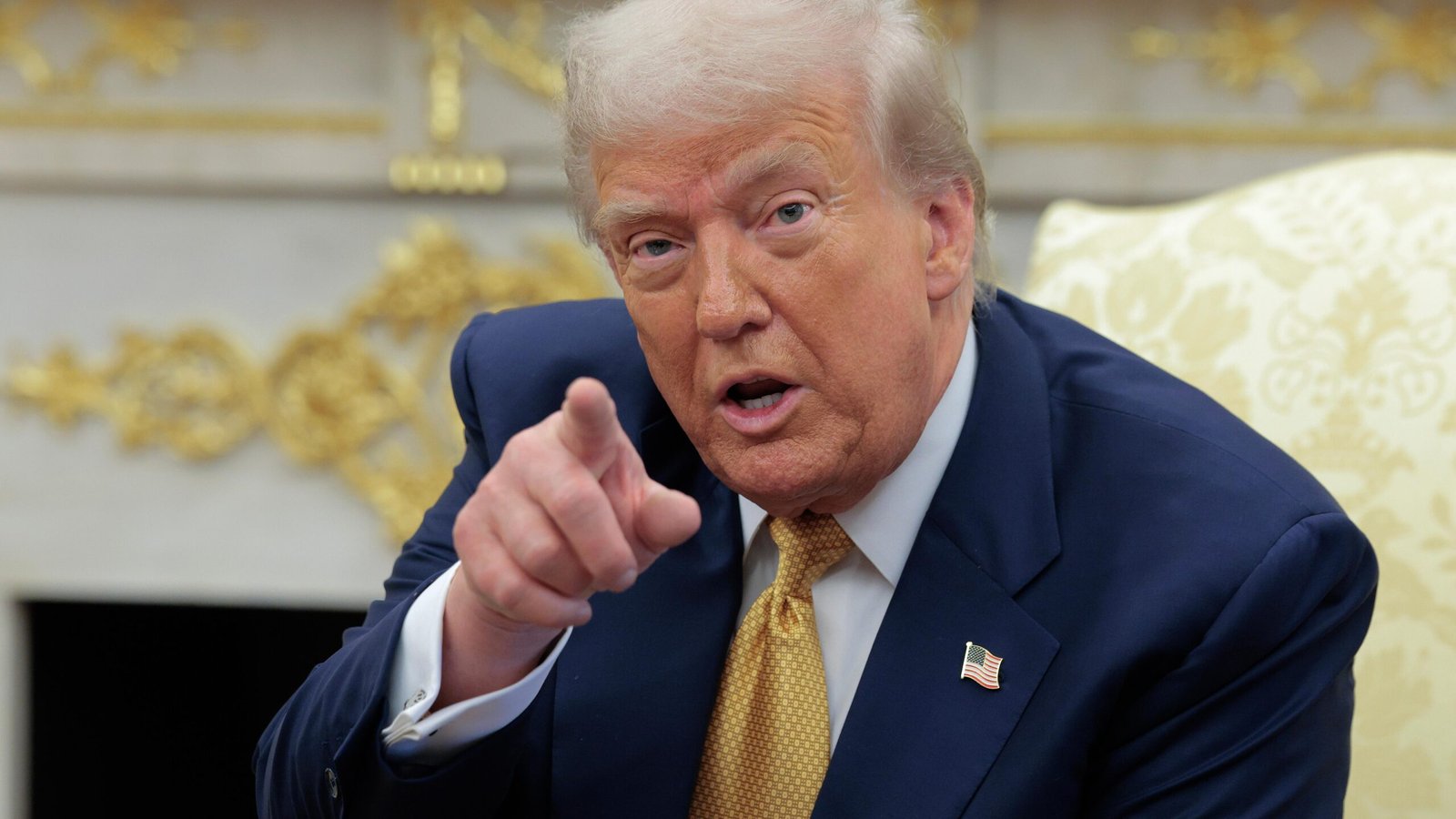
The Vatican’s new direction has not gone unnoticed in Washington. President Trump has publicly criticized Leo’s repeated calls for peace, particularly regarding Gaza. This tension highlights the growing divide between the Catholic Church’s moral advocacy and the current American administration’s foreign policy preferences.
The criticism underscores a broader trend where religious leadership is increasingly at odds with secular political power when it comes to humanitarian issues. For a pontiff who prioritizes global outreach, such friction is a known risk, yet it also signals that the Vatican’s voice is being heard loud enough to provoke a response from the White House.
In both North America and the Vatican, the theme of the moment is clear: leadership is being tested not just on economic or spiritual grounds, but on the ability to maintain unity and peace in an increasingly fragmented world. Whether Carney’s domestic gains translate into long-term stability, or whether Leo’s outreach results in tangible diplomatic breakthroughs, remains the defining question of this era.
A Year of Global Shifts in Perspective
As 2025 unfolds, the interplay between national leaders and global institutions is becoming more complex. Carney’s rise in Canada and Leo’s pontificate represent two different models of authority—one rooted in national mandate, the other in spiritual office—yet both are grappling with the same set of challenges: war, trade, and the erosion of trust in established systems.
The coming months will test whether these leaders can convert their rhetorical positions into concrete outcomes. For Carney, the metric is domestic approval and trade security. For Leo, it is the preservation of life and the reduction of global tension. Both face an uphill battle, but both have shown that they are willing to engage directly with the problems at hand.
Ultimately, the story of this period is one of adaptation. Nations and institutions must adjust to a world where threats are as often economic or diplomatic as they are military. In that context, the rise of Carney and the voice of Pope Leo XIV are significant chapters in a much larger narrative of global realignment.
Government, News, People, Society, Business, Finance, Canada, Donald Trump, Mark Carney, Pope Leo XIV, Nobel Peace Prize, Catholic Church, Russia-Ukraine War, Gaza