

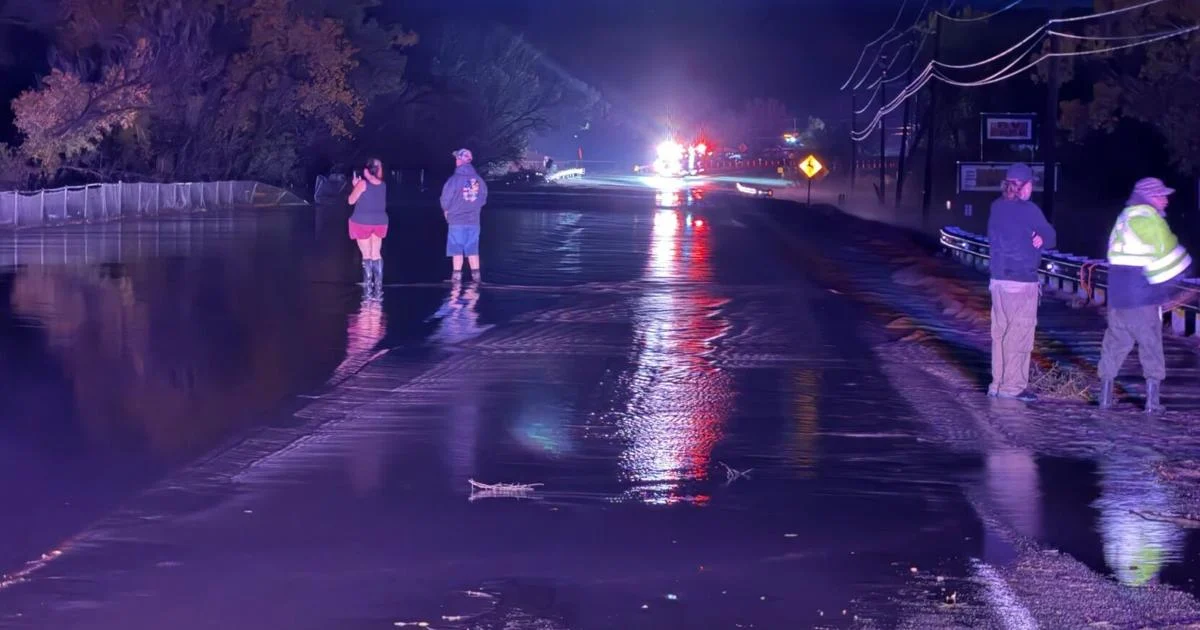

Flooding Prompts Rescues, Evacuations in San Juan County Area
The coastal communities of San Juan County, Washington have faced a severe flooding crisis in recent weeks, forcing emergency crews into rapid-response rescues and mass evacuations as waters surged across roads, bridges, and neighborhoods. The situation has drawn urgent attention from residents, local officials, and state emergency managers alike—raising pressing questions about infrastructure resilience, climate impacts, and community readiness for increasingly unpredictable weather patterns.
A Terrible Situation Unfolding
According to the most recent reporting, widespread flooding has overwhelmed critical access points throughout the county’s communities, making routine travel dangerous and, in some cases, impossible. The scale of the crisis prompted authorities to issue evacuation orders in multiple populated areas, relocate at-risk households to designated shelters, and coordinate with partner agencies for search-and-rescue operations across saturated terrain.
Emergency management leaders described the event as one of the most challenging in recent memory, emphasizing the need for coordinated action across all responding departments.
Residents staying behind long enough to monitor conditions found themselves isolated as high water displaced road access, damaged septic systems, and flooded basements submerged critical infrastructure. For many households, the disruption stretched beyond immediate inconvenience into longer-term displacement arrangements.
Evacuation Orders and Sheltering
As the flooding intensified, county and city governments moved swiftly to enforce evacuation protocols, directing residents of vulnerable zones to seek shelter at registered facilities. Authorities notified families through multiple channels—local radio, social media alerts, the county’s emergency notification system, and door-to-door outreach—ensuring that life safety took precedence over property protection even as power and communications remained unreliable in affected areas.
Rescue Operations in Action
Search and rescue teams deployed boats, four-wheel-drive vehicles, and specialized personnel to locate stranded individuals trapped by rising water levels. Operations frequently required multi-agency coordination because jurisdictions under the emergency umbrella relied heavily on neighboring law enforcement, fire services, and volunteer responder networks to execute relief efforts efficiently. Helicopter support contributed additional reachable coverage for ground teams operating in remote terrain areas.
| Response Activity | Agency(ies) | Status |
|---|---|---|
| Family emergency evacuation orders issued | County Emergency Management & Police Services | In effect |
| Water rescue operations launched | SWAT units, Marine Rescue Units | Active |
| Community shelter placements underway | County Social Services, Faith Community Leaders | Ongoing |
Volunteer Support Builds Scale
Beyond official emergency services, community volunteers lent assistance through mutual aid agreements, augmenting staffing and operational capacity during peak demand windows. Local organizations coordinated resource sharing between similarly affected regions to prevent duplication and ensure essential equipment reached neighborhoods that lacked direct jurisdiction over responsive assets.
Weather Context and Climate Considerations
Meteorological forecasters attribute the severity of the flooding pattern to persistent atmospheric conditions producing heavy rainfall over multiple consecutive days. Atmospheric research projects in the Pacific Northwest indicate that warmer air masses carry greater moisture capacity, intensifying precipitation intensity beyond historical norms experienced in the region’s pre-warming climate baseline.
Experts note that such events expose two distinct vulnerability profiles. Some communities experience frequent flooding due to stormwater management limitations while others face acute disruption from extreme rainfall triggers. Both profiles contribute to ongoing public safety concerns when fiscal resources remain constrained relative to hazard exposure growth.
Moving Forward: Lessons and Preparedness
Official spokespersons have signaled commitment toward post-event assessment, urging residents to document property damage accurately, file insurance claims promptly, and reconnect safely once municipal authority clears roads. Evaluation of emergency operations will inform whether existing infrastructure standards sufficiently withstand projected future conditions or whether additional resilience investments remain necessary.
- Restore home utilities safely after waters recede
- Document structural damage for insurance reimbursement
- Review home landscaping for drainage improvements
- Establish communication plans with household members
- Participate in post-disaster recovery meetings offered locally
Looking ahead, officials emphasize the importance of year-round planning rather than reactive reliance on emergency declarations—encouraging households to develop mitigation strategies well before headlines arrive. As climate continues reshaping regional weather dynamics, preparedness frameworks built collaboratively between government, businesses, and residents will prove essential for safeguarding communities against recurring water events.
News continues to develop as response efforts extend through affected areas; readers seeking updates should monitor official municipal feeds and state emergency communications channels.
News, Government, Communities, Travel, Environment, Society


