
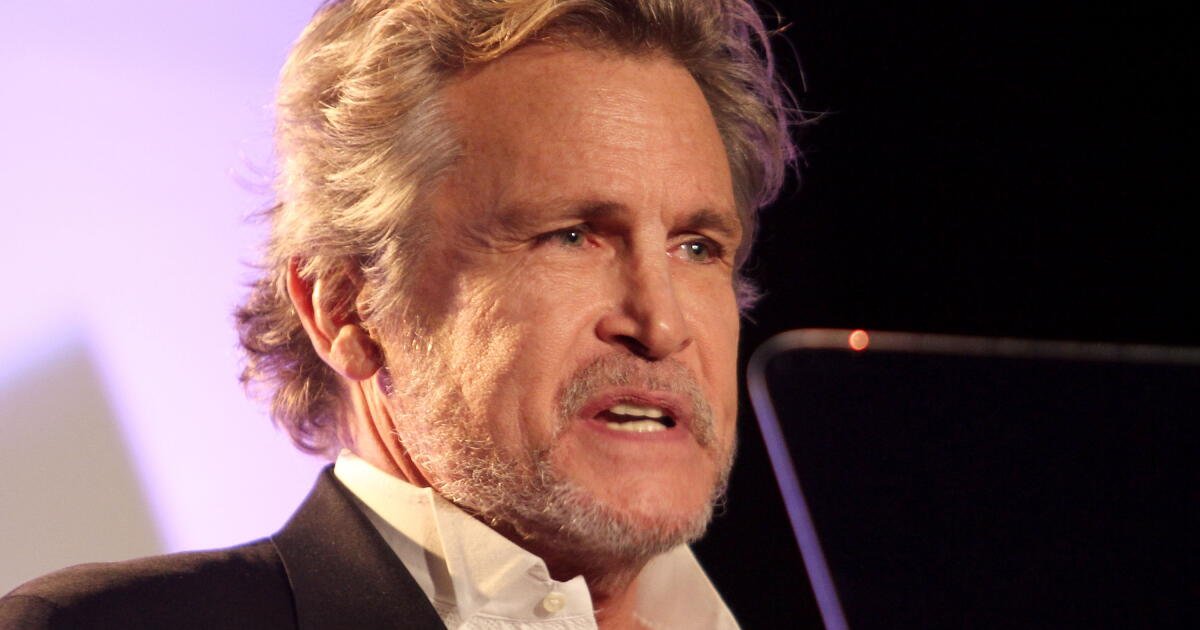


Michael Kearns, Trailblazing AIDS Activist and First Out Gay Actor, Dies at 76
A Legacy of Courage and Activism
Michael Kearns, a pioneering AIDS activist, actor, and author, has passed away at the age of 76. His death was confirmed by filmmaker Roland Palencia, who described Kearns as a “friend, mentor, and movie buddy.” Kearns’ journey from a young theater enthusiast in St. Louis to a fearless advocate for LGBTQ+ rights and AIDS awareness left an indelible mark on both the arts and social justice movements.
Early Life and Theatrical Awakening
Born on January 8, 1950, Kearns discovered his passion for performance at age 8 when a school play revealed his natural talent for storytelling. “I couldn’t throw a ball particularly well. I didn’t excel in sports,” he once said, but theater became his escape and identity. In the 1970s, he studied at Chicago’s Goodman School of Drama, where he faced the harsh reality of industry bias against openly gay actors. Undeterred, Kearns embraced his identity, stating, “By that point I was out, out, out.”
Breaking Barriers in Film and Theater
Kearns’ career spanned decades, featuring roles in cult classics like *Body Double* and *Nine Lives*, as well as TV appearances on *Beverly Hills, 90210*. His theater work included the acclaimed 1993 performance in Charles Ludlam’s *Camille* and solo pieces like *Intimacies*, which explored AIDS-related grief. As a playwright, he authored five books, including *T-Cells & Sympathy*, earning Lambda Literary Award nominations.
A Literary and Political Identity
In a bold literary maneuver in 1975, Kearns posed as the fictional male author Grant Tracy Saxon, using his acting persona to promote a memoir-style novel. Later, he became a vocal political activist, using his platform to advocate for AIDS awareness. In 1991, he publicly disclosed his HIV-positive status on national television, becoming one of the first actors to do so. His 1992 appearance on *Life Goes On*, portraying a character with HIV, furthered public understanding of the epidemic.
Personal Triumphs and Inner Strength
Kearns’ personal life was marked by resilience. He married Philip Juwig in 1992, who died that same year. Turning to adoption, he welcomed his daughter, Tia Katherine, in 1995. In 2017, Tia reflected on her father’s influence: “Your openness and courage forced me to be honest with myself and the world.” Kearns envisioned a collaborative future with Tia, dreaming of a project exploring race and identity.
Cultural Impact and Recognition
Kearns’ contributions earned him the 2005 Robert Chesley Playwrighting Award and the 1999 Victory Award from the Gay & Lesbian Victory Fund. A fixture in Los Angeles’ arts scene, he founded QueerWise, a spoken word collective, and mentored emerging artists. His 2015 interview with Tia in *Honeysuckle Magazine* highlighted his role as a progressive parent and activist, shaping his daughter’s political consciousness.
“Michael was our Los Angeles García Lorca.” — Roland Palencia
The History of a Lasting Legacy
Kearns’ death marks the loss of a cultural icon whose work bridged art, activism, and personal authenticity. From his groundbreaking disclosure of HIV status to his emotionally charged solo performances, he challenged societal norms and inspired generations. Survived by his daughter, Tia, Kearns remains a symbol of perseverance and love, forever etched in the annals of LGBTQ+ history.
Arts, Entertainment, Literature, Health, People, Politics, AIDS activism, LGBTQ+ history, theater, filmmaking, author biography, social justice, HIV awareness, political activism, actor legacy, adoption story, cultural impact, 1970s cinema, 1990s television.