


Oil Prices Surge Amid Strait of Hormuz Threats and Gulf Coast Hurricane Concerns
Oil markets reacted sharply on Thursday as a spike in attacks on commercial tankers in the Strait of Hormuz coincided with the approach of Hurricane Isais toward the United States’ Gulf Coast refining hub. Brent crude, the global benchmark, climbed more than 5 % intraday before settling 4.8 % higher at roughly $105 a barrel, while West Texas Intermediate rose to about $92.50 a barrel. The move underscored how geopolitical flashpoints and weather‑related disruptions can combine to tighten supply and lift prices.
Record Tanker Attacks Disrupt Shipping Through Hormuz
Preliminary data from Kpler showed that only seven tankers transited the Strait of Hormuz on Tuesday, less than half the seven‑day average and the lowest level since late July. Although some vessels later reactivate their identification systems, the low count reflects a genuine slowdown in traffic. Meanwhile, Kpler reported a record number of attacks on commercial vessels in the waterway: ten tankers were struck between September 28 and October 4, well above the previous weekly high of six. The UK Maritime Trade Operations agency noted that in the latest incident a tanker reported being hit by “multiple projectiles,” resulting in casualties.
Analysts at ING observed a “clear tug‑of‑war” between improving crude output from the Gulf and persistent threats to shipments. They warned that sustainable price declines would only emerge once the lingering security risks are addressed.
Hurricane Isais Triggers Production Cuts in US Gulf Coast
As Hurricane Isais moved toward the Gulf Coast, major operators including Shell and Chevron announced they would curtail output and evacuate non‑essential personnel from offshore platforms and onshore facilities. The pre‑emptive shutdowns aim to protect staff and limit environmental risk, but they also remove barrels from the market at a time when Hormuz‑related delays are already tightening supply.
The combined effect of reduced Gulf output and constrained Hormuz passages contributed to the upward pressure on crude prices observed on Thursday.
Broader Market Impacts: Natural Gas, Diesel, and Inflation Fears
The oil‑price rally spilled over into related energy markets. European benchmark natural gas prices edged back toward their mid‑September highs before pulling back, while ICE Gasoil Futures—a key gauge for European diesel—closed about 6 % higher on Wednesday after the International Energy Agency (IEA) said member governments would not add to the 400 million‑barrel release agreed upon in March.
The IEA noted that roughly 325 million barrels of the pledged oil had already been released, with about 100 million barrels still to be brought to market, including diesel volumes earmarked by the G7. It reiterated that member states hold approximately 1.1 billion barrels of publicly owned emergency oil stocks, over 200 million of which are diesel, and stands ready to deploy additional supplies if needed.
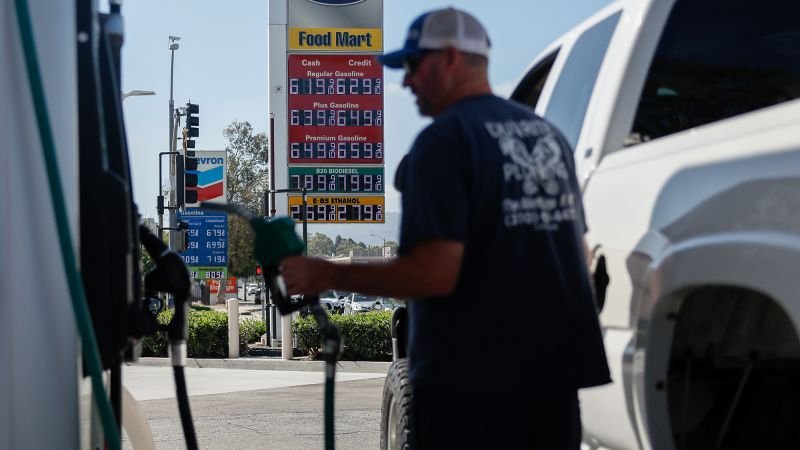
In the United States, average diesel prices at filling stations were slightly lower on Thursday than the previous day at $6.28 per gallon, while regular gasoline averaged $4.36 per gallon, according to AAA data. Despite the modest relief at the pump, analysts warned that continued supply uncertainties could keep broader inflation pressures alive, particularly in Europe where economies remain heavily reliant on imported energy.
Market participants will be watching for any further escalation in Hormuz incidents, updates on Hurricane Isais’s track, and signals from the IEA or OPEC+ regarding output adjustments. Until those factors clarify, oil prices are likely to remain sensitive to both geopolitical and meteorological developments.
Business, Finance, Transportation, News, Oil Prices, Strait of Hormuz, Hurricane Isais, European Natural Gas, Diesel Prices, IEA, Global Supply, Market Volatility