


Hawaii Reports Ninth Dengue Case of 2025 Linked to Travel
The Hawaii Department of Health (DOH) announced on September 20 2025 that a new travel‑related dengue infection has been confirmed on Oahu, raising the state’s total for the year to nine cases. The individual contracted the virus while visiting a Pacific Island region where dengue is regularly transmitted, and health officials have found no epidemiological link to any of the previous eight cases reported earlier in 2025.
Details of the Latest Oahu Case and Mosquito Control Measures
According to the DOH news release, the patient experienced typical dengue symptoms—high fever, severe headache, joint and muscle pain, and a rash—shortly after returning to Hawaii. Laboratory testing confirmed the presence of dengue virus serotype 2, which is commonly circulating in many Southeast Asian and Pacific Island nations.
Although the exact neighborhood where the case was identified was not disclosed, DOH teams have deployed targeted mosquito‑control actions, including larvicide treatments and source‑reduction surveys, in the surrounding area. The agency emphasized that, given the isolated nature of the infection and recent heavy rainfall across the islands, the risk of local transmission remains low but warrants continued vigilance.
Understanding Dengue Transmission and Risk in Hawaii
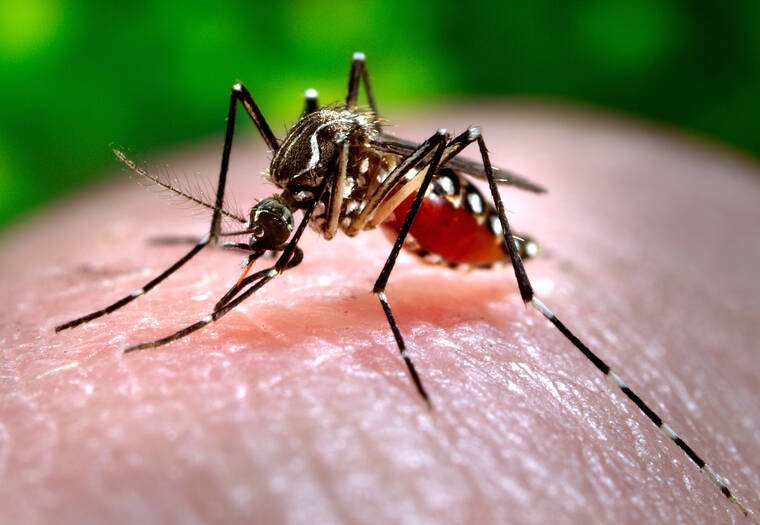
Dengue fever is caused by any of four related viruses spread primarily by the bite of an infected Aedes mosquito—most notably Aedes aegypti and Aedes albopictus. While these mosquito species are present in Hawaii, the disease is not considered endemic; all confirmed infections to date have involved individuals who acquired the virus while traveling abroad.
The DOH notes that the current cluster of nine cases all involve travel to Pacific Island countries and territories, reflecting broader regional trends. International surveillance shows elevated dengue activity in locations such as Costa Rica, Cuba, Malaysia, the Marshall Islands, Panama, Vanuatu, and Vietnam, which are frequent sources of imported cases for U.S. travelers.
Preventive Steps Residents Can Take
Health officials urge the public to reduce potential mosquito breeding sites by eliminating standing water around homes—such as in flower pots, buckets, gutters, and discarded tires. Regularly cleaning and covering water storage containers, using window screens, and applying EPA‑approved insect repellent when outdoors are also recommended.
Travelers heading to dengue‑affected areas should consult the Centers for Disease Control and Prevention (CDC) travel health notices, consider prophylactic measures where appropriate, and monitor for symptoms upon return. Prompt medical evaluation can help mitigate complications and prevent further spread.
As the state continues to monitor the situation, the DOH will issue updates should any new locally acquired cases emerge or if mosquito‑control efforts require adjustment.
Health, Travel, Government, Science, News, Hawaii, Dengue, Mosquito Control, Public Health


