
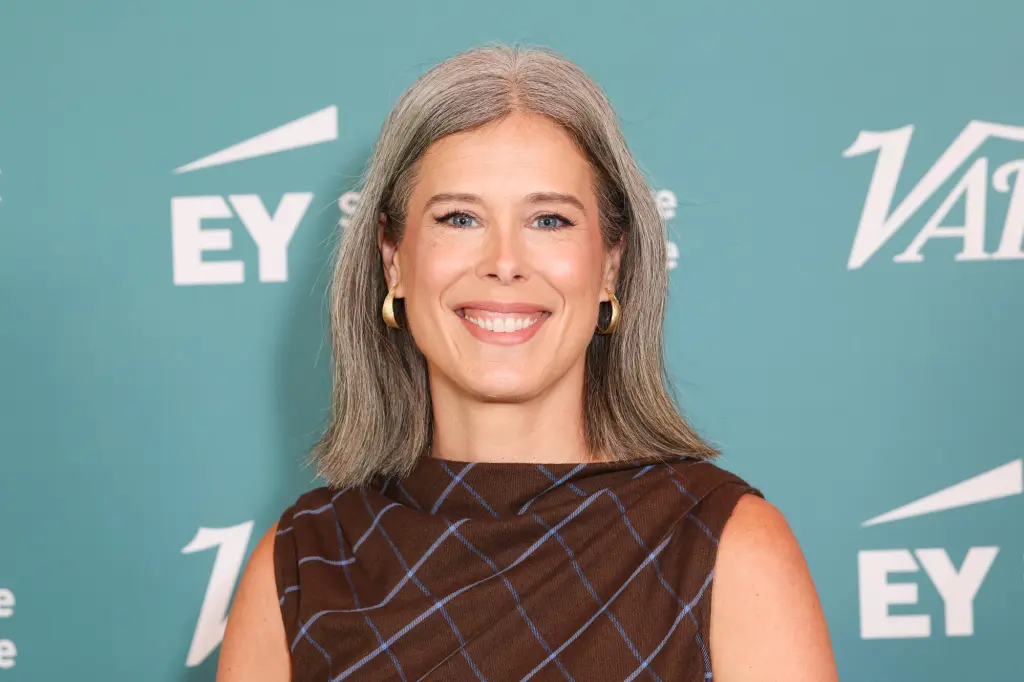


Nintendo’s Devon Pritchard Unveils Master Plan for Switch 2 and the Zelda 40th Anniversary
LOS ANGELES — After just under a year in her new role as president of Nintendo of America, Devon Pritchard is ready to share elements of her master plan for the beloved Japanese gaming company. Speaking at the Variety Entertainment & Technology Summit held at the Four Seasons Hotel Los Angeles on September 17, 2026, Pritchard outlined a strategy anchored by a crucial competitive advantage: the relative youth of the Nintendo Switch 2.
The console, which launched in June 2025, gives the company a distinct position over competitors. While Microsoft’s Xbox and Sony’s PlayStation are still navigating the end of their older-model life cycles, Nintendo has just begun.

A Head Start: The Switch 2 Life Cycle Advantage
“We’re just at the beginning of seeing what Nintendo Switch 2 can do,” says Pritchard, who took over for longtime Nintendo of America chief Doug Bowser in January. The transition marks a new chapter for the North American division, though the core philosophy remains familiar.
Pritchard emphasizes that the console’s hardware evolution is not merely about raw specs. Compared with its first-generation predecessor, the Switch 2 has improved graphics and better processing power, allowing for new styles of play. “That opens up a number of different ways for the developers to create experiences that can only be found on Nintendo Switch 2,” she explains.
This focus on developer capability is central to the company’s approach. Rather than competing solely on horsepower, Nintendo aims to leverage the power to unlock creative possibilities that distinguish its ecosystem from traditional home consoles.
Third-Party Validation: Call of Duty Returns to Nintendo
Switch 2’s more powerful capabilities are among the reasons Microsoft’s Activision is bringing the “Call of Duty” franchise back to Nintendo consoles for the first time in more than a decade. This fall, it will launch “Call of Duty: Modern Warfare 4” on Switch 2, in addition to its releases on Xbox and PlayStation systems.
Industry analysts view this as more than just a port; it is a clear signal that Nintendo’s latest system can hold its own in fast-paced action games. For a platform historically associated with family-friendly casual gaming, securing a heavyweight shooter franchise is a significant milestone in broadening its appeal to core gamers.
Platform Performance Snapshot: Sales of Switch 2, released in June 2025, have topped more than 23 million units to date. Nintendo has released hundreds of titles for the platform, ranging from first-party hits like Mario Kart World to third-party games like Resident Evil Requiem.
Platform Diversity and the ‘5 to 95’ Audience
Nintendo has historically differentiated itself by refusing to narrow its demographic focus. “We have historically said that Nintendo is for ages 5 to 95, and that continues to be true,” Pritchard says. “We want to provide a diversity in terms of the types of experiences that you can have on the game system, and that’s really important for us.”
The company is actively curating a catalog that satisfies widely varying tastes simultaneously. Some gamers are excited about the tactical role-playing game “Fire Emblem: Fortune’s Weave”; others want to talk about the cozy simulation title “Pokémon Pokopia.” “So we want to make sure we’re a platform where people can come in and have those different types of creative experiences and have fun,” she says.
This strategy requires a delicate balancing act. A platform cannot alienate its core family audience to chase adult gamers, yet it must provide the depth that older players demand. According to Pritchard, the answer lies in the breadth of the software library rather than a pivot in hardware positioning.
The Grand Theft Auto VI Question
Despite the growing library of diverse titles, one question remains at the top of every gaming enthusiast’s mind: Is the Switch 2 tent big enough to accommodate “Grand Theft Auto VI”? The title, which carries an M rating for mature content and themes, is due out in November and stands as the most anticipated gaming title of the year.
The console certainly has the horsepower to host GTA 6, but for now Pritchard won’t say if the title is coming to the platform. When pressed on whether the open-world phenomenon would land on Nintendo hardware, she deflected the decision back to the publisher.
“That’s going to be a conversation for Take Two and Rockstar, but nothing to announce on my end at this time,” Pritchard says.
For Nintendo, the decision rests on more than technical capability. It involves brand alignment and the comfort of their “ages 5 to 95” demographic. A mature, gritty open-world title could threaten the family-friendly perception that has long been a pillar of the company’s identity, even if the console is technically capable.
Honoring a Legacy: The Legend of Zelda at 40
Alongside the plan to make the most out of Switch 2’s just-beginning life cycle, Pritchard has one big Nintendo milestone that’s already setting her team up for success: the 40th anniversary of the “Legend of Zelda” franchise.
The celebration is being marked with a slate of high-profile releases and events designed to span generations:
| Milestone Event | Description |
|---|---|
| Ocarina of Time Remake | A remake of the beloved classic, the only high-profile game brave enough to go up against the November launch window for GTA 6. |
| Live Concert Series | A “Zelda”-inspired concert tour celebrating the franchise’s iconic soundtrack. |
| Live-Action Movie | The debut next April of the live-action Zelda movie made in collaboration with Sony. |
Nintendo is walking a fine line with an anniversary of this magnitude as it looks to please both diehards and newcomers. The goal is inclusivity within the brand’s deep lore.
“I think it’s really about the celebration of ‘Zelda’ and the ‘Zelda’ universe in its entirety,” Pritchard says. “It’s Link, it’s Zelda, and all the other characters. I think it’s more about, how do we create a celebration that everyone can come in and join and connect with that world?”
Theme Parks and Organic Brand Integration
The 40th anniversary also opens the door for real-world expansion. That means the company has the potential to update Universal’s Super Nintendo World locations with limited-time “Zelda” tie-ins. This follows the massive success of the existing park integration which features Mario and Donkey Kong rides.
However, Pritchard is mindful of how that could affect established “very immersive experiences” that are already packed with attractions. For Nintendo, a new IP cannot be additive if it is not organic. The brand integrity of the physical space must remain intact.
“Whether it’s the theme park, whether it’s movies, anything we’re going to do is going to be deliberate and thoughtful about that experience that you’re having,” says Pritchard.
This deliberate approach defines the new administration’s philosophy. Whether it involves software licensing, hardware strategy, or real-world theme park collaborations, Nintendo of America is signaling that growth will not come at the cost of brand consistency.