
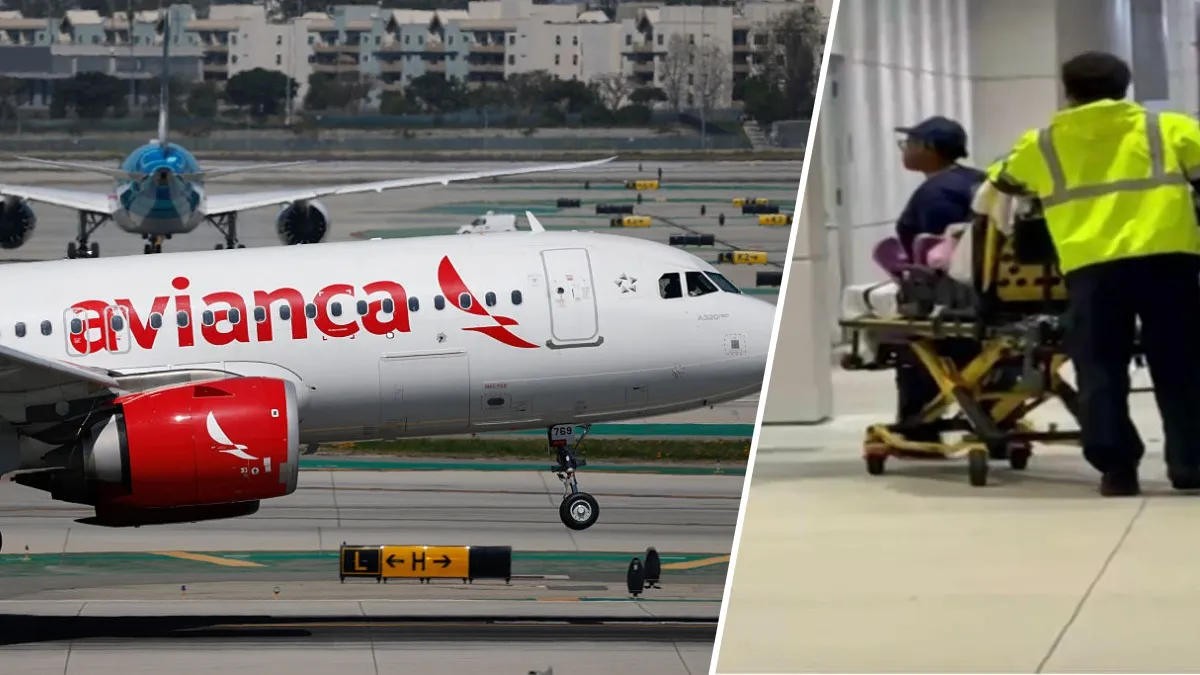


Avianca Flight Turbulence Sends Eight Passengers to Miami Hospital
On a recent Tuesday morning, Avianca Flight AV042 experienced severe turbulence while en route from Medellín, Colombia, to New York’s JFK International Airport. The aircraft was forced to divert to Miami International Airport (MIA) where emergency services were activated. According to official reports, eight passengers were taken to local hospitals, marking one of the more serious in‑flight turbulence incidents of the year.
Flight Diversion and Immediate Medical Response
The diverted flight landed at MIA at approximately 3:30 a.m. ET. Miami‑Dade firefighters confirmed that they responded to “multiple patients injured by turbulence,” transporting eight individuals via ambulance. One passenger arrived with a trauma alert, while the others required orthopedic and soft‑tissue care. The airport’s medical team and Avianca’s ground crew were on site within minutes to coordinate the emergency response.
“The safety of our clients and collaborators is and will continue to be the cornerstone of our operations,” the airline said in a brief statement. The carrier emphasized that the incident was classified as “unforeseen turbulence” and that all cabin crew and passengers were accounted for.
Passenger Experiences: A Terrifying In‑Flight Ordeal
Witnesses captured the chaos on personal devices. Video clips posted on social media show passengers clutching ice packs to their heads while crew instructed them to keep seatbelts fastened. One traveler, speaking to Telemundo 51, described the experience as life‑changing:
“We thought it was the last day. We thought that was it. It was really strong, never experienced before.”
The passenger reported at least three “very strong” bouts of turbulence before the emergency landing. “Seeing so many ambulances on the tarmac was shocking,” they added. Their account aligns with footage of emergency vehicles converging on the runway shortly after the aircraft’s touch‑down.
Avianca’s Official Statement and Safety Protocols
In a formal release, Avianca detailed the circumstances surrounding Flight AV042. The airline confirmed that the aircraft encountered “unforeseen turbulence during the flight” while operating on its Medellín (MDE) – New York (JFK) route. As per standard operating procedures, the flight was diverted to the nearest suitable airport—Miami International.
The carrier reported that three cabin crew members and six passengers sustained minor to moderate injuries. “All were promptly attended by our medical team and airport emergency services,” Avianca noted. The airline also stated that ground staff were deployed to ensure remaining passengers could continue their journey to New York with minimal disruption, offering meals, accommodation, and real‑time itinerary updates.
Understanding In‑Flight Turbulence: Causes and Prevention
Even with advanced weather radar, pilots can be caught off guard by “clear‑air turbulence” (CAT). CAT occurs when fast‑moving air masses encounter each other high above the storm‑free zones, creating sudden jolts that can be dangerous for unprepared passengers. While airlines follow strict turbulence avoidance protocols, the unpredictable nature of atmospheric dynamics means incidents like this remain a risk.
Modern aircraft are built to withstand extreme forces, but injuries often result from passenger movement, unsecured items, or sudden impact with cabin interiors. Airlines recommend that travelers keep seatbelts fastened at all times, secure personal items, and follow safety briefings to reduce the likelihood of harm.
Legal Rights and Insurance Coverage for Air‑Travel Injuries
Passengers injured during a flight may be entitled to compensation under both airline liability rules and travel insurance policies. In the United States, the Federal Aviation Administration (FAA) and the Airline Passenger Rights Act outline standards for medical care, compensation, and investigation of in‑flight incidents.
Travel insurance often covers medical expenses, lost baggage, and trip interruption, but policyholders should review the specifics of their coverage. In cases where negligence is alleged—such as failure to issue turbulence warnings—legal action may be pursued against the carrier.
Regulatory Oversight and FAA Involvement
Following any serious in‑flight injury, the FAA typically initiates a preliminary safety review. The agency may examine cockpit voice recordings, weather data, and pilot communications to determine whether standard operating procedures were followed. While the current investigation is ongoing, the incident underscores the importance of continuous monitoring of turbulence forecasts and crew training.
What Passengers Should Do After an In‑Flight Incident
- Seek medical attention immediately, even for seemingly minor injuries.
- Notify the airline’s customer service desk to file a formal complaint or claim.
- Document the incident with photos, videos, and witness statements.
- Keep all medical receipts and reports for insurance reimbursement.
- Stay informed about the airline’s re‑booking and compensation arrangements.
The recent Avianca turbulence episode has reignited debate over how airlines communicate turbulence risks and what protective measures can be improved. As investigations progress, industry experts anticipate possible updates to turbulence‑avoidance technology and enhanced passenger safety protocols.
While the immediate focus remains on the recovery of those injured, the broader aviation community will be watching for any systemic changes that may result from this event. Ongoing updates from both Avianca and the FAA are expected in the coming weeks.
Transportation, Travel, News, Health, Business, People, Government, Law, Science, Aviation safety, In-flight turbulence, Medical emergency response, Airline passenger rights, Flight diversion