

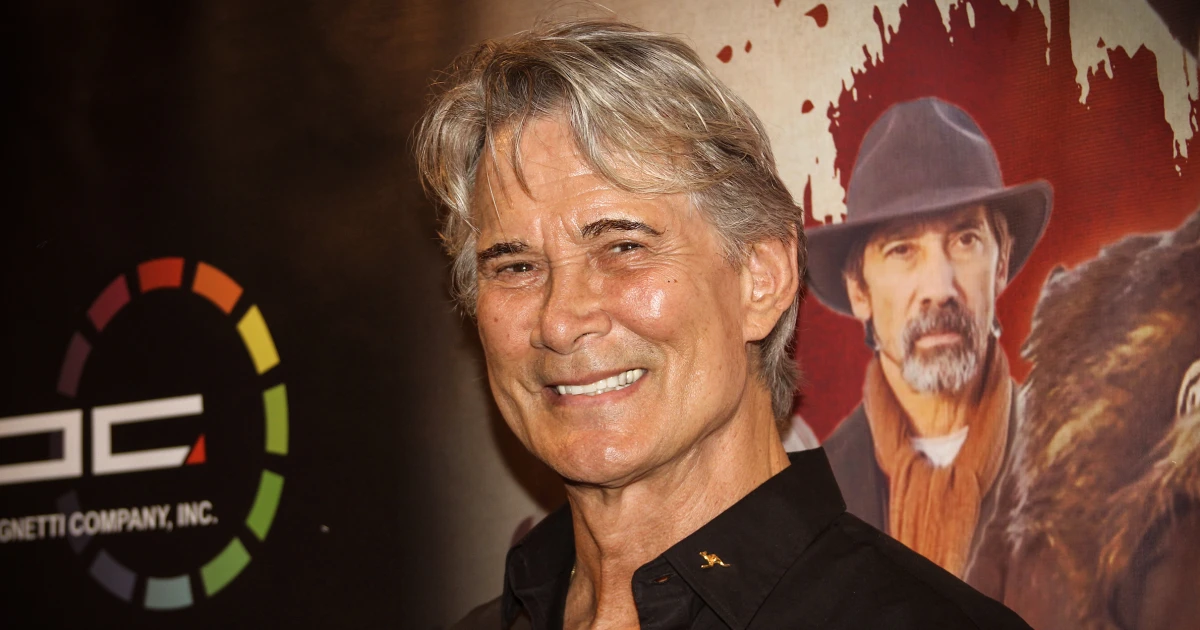

Death of Australian Actor Richard Norton Highlights Dangers of Unapproved Peptide Therapy
A Fatal Dose: How a Heart Attack Cut Short a Martial Arts Legend
The death of 75‑year‑old Australian actor and martial artist Richard Norton has been linked to an unapproved peptide regimen that he self‑administered at double the prescribed dose, according to a coroner’s report released this week.
The Role of Dr. Jerzy Muchnicki and the Consent Process
Norton, who was known for his roles opposite Chuck Norris and Jackie Chan and for training Hollywood stars such as Ben Affleck and Tom Hardy, suffered a fatal heart attack on March 30, 2025 after injecting a second dose of CJC1295 and Ipamorelin, the report by Melbourne coroner David Ryan concluded.
Dr. Jerzy Muchnicki, the physician who authorized the replacement vial after Norton reported breaking the original, has been criticised for approving the extra dose without first reviewing the nurse’s note that documented the dosing error, and for failing to discuss the risks directly with the patient before signing the consent form.
Consultation and the Consent Form
The medical record shows that Norton consulted Dr. Muchnicki on March 11, 2025, complaining of fatigue and shoulder pain, and expressed interest in peptide therapy after having used similar substances previously prescribed by another practitioner.
The Nurse’s Warning and the Request for a Replacement
Two days before his death, Norton told the practice nurse that he had been administering twice the recommended amount of CJC1295 and Ipamorelin; the nurse warned him that he should return to the prescribed dose the following week, but the request for a new vial was still processed.
Regulatory Reckoning: TGA Calls for Stricter Peptide Controls
Coroner Ryan recommended that Australia’s Therapeutic Goods Administration tighten regulations on unapproved peptides, a call that follows the TGA’s recent decision to permit compounding pharmacies to manufacture six of the most‑promoted peptides — BPC‑157, epitalon, KPV, MOTS‑c, semax and TB‑500 — despite FDA scientists finding insufficient evidence of their safety and efficacy.
The Grey Market and Online Influencer Promotion of Peptides
The so‑called grey market for peptides has expanded rapidly, with online influencers promoting the substances as miracle cures for anti‑aging, muscle growth and recovery, while many of the products remain untested and unregulated.
Current FDA Stance and Recent FDA‑Approved Medications
In the United States, several peptide‑based medications such as semaglutide and tirzepatide have received FDA approval for diabetes and obesity, but the agency has repeatedly warned that compounded, non‑FDA‑approved peptides lack rigorous safety data.
Future Outlook: Balancing Access and Safety in Peptide Therapy
Experts say that balancing patient access to potentially beneficial therapies with rigorous safety oversight remains a critical challenge, and that clearer guidelines are needed to prevent future tragedies like Norton’s.
Ryan, in the report, recommended that the Therapeutic Goods Administration, which is Australia’s equivalent of the U.S. Food and Drug Administration, impose tougher restrictions on the use of unapproved peptides. In the U.S., some peptides are used in medications approved by the FDA to treat diabetes, obesity and other health conditions, but a grey market flooded with unapproved products continues to thrive.
The Department of Health and Human Services gave compounding pharmacies, which are pharmacies that provide medications that are not commercially available, the okay to start producing six of these much‑touted peptides. They got the green light even though the FDA’s own scientists have concluded there is insufficient data showing these particular peptides — BPC-157, epitalon, KPV, MOTS-c, semax and TB-500 — are safe and effective.
Muchnicki was also taken to task for not speaking directly with Norton “to confirm appropriate use or to assess for potential misuse or adverse effects.” The doctor, according to the report, has “accepted accountability for his actions” and apologized “for his errors in judgment” and will no longer be prescribing peptides.
NBC News has emailed Muchnicki for comment via his practice. He has not yet responded.
Now is the time for regulators, clinicians and the public to reassess how peptide therapies are prescribed, monitored and marketed, ensuring that the promise of cutting‑edge medicine does not become a hidden hazard.
Categories: Health, News, People, Entertainment, Science, Society, Government, Law, Fitness, Sports, Business, Online, Medical Research, Regulatory Policy, Unapproved Substances, Actor Biography


