

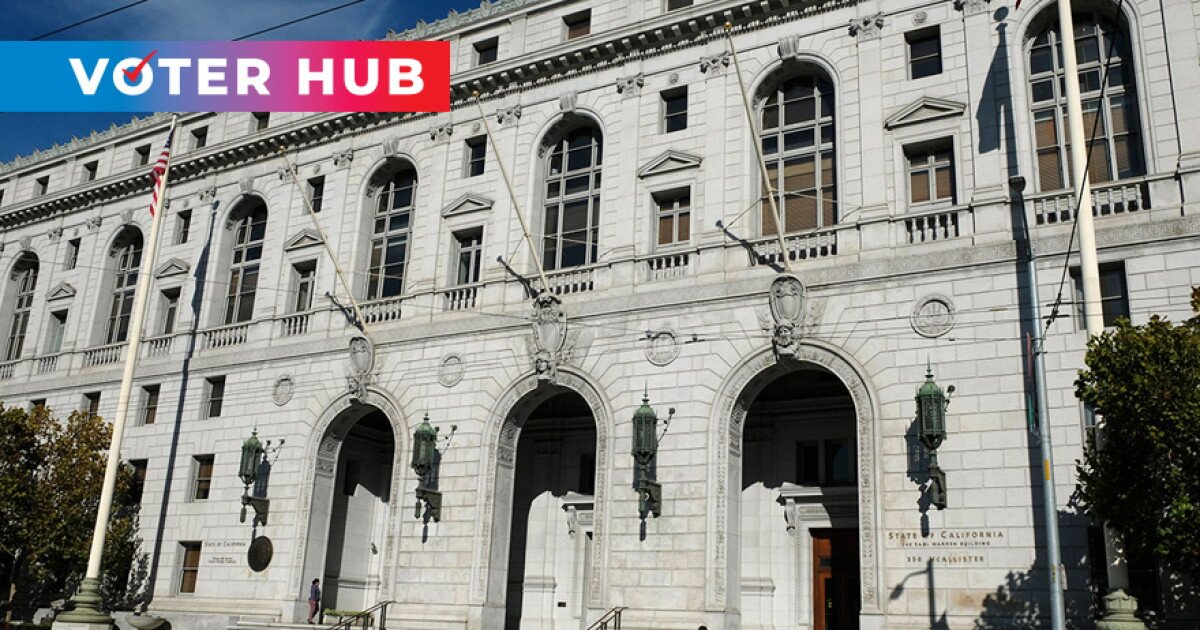

What Does a California Supreme Court Justice Do?
The California Supreme Court stands as the highest judicial authority within the state, serving as the final arbiter of legal disputes that shape the lives of over 39 million Californians. As the state grapples with complex issues ranging from criminal justice reform to environmental regulations, understanding the role and responsibilities of its highest court becomes increasingly vital for citizens, lawmakers, and legal professionals alike.
At the heart of this system are the California Supreme Court justices, nine elected officials who ensure that the rule of law prevails across the nation’s most populous state. Their duties extend far beyond mere administrative functions—they are entrusted with interpreting state law, reviewing lower court decisions, and safeguarding constitutional rights.
Reviewing Appellate Court Rulings
One of the primary responsibilities of a California Supreme Court justice is examining decisions made by the state’s six intermediate appellate courts. These reviews allow the high court to clarify ambiguous points in existing laws and resolve conflicting interpretations among different appellate departments. By doing so, they promote consistency throughout California’s sprawling judicial network.
This function is particularly crucial when dealing with emerging legal challenges such as those involving digital privacy rights or cannabis regulation—areas where rapid societal change often outpaces legislative action. In these instances, the court serves not only as an interpreter but also as a bridge between evolving social norms and established jurisprudence.
Death Penalty Review Process
Every death sentence handed down in California passes through the Supreme Court for automatic review—a mandatory requirement designed to prevent irreversible miscarriages of justice. This process involves meticulous examination of trial proceedings, evidence presentation, and sentencing procedures. With over 650 inmates currently on death row—the largest population in the U.S.—this responsibility carries immense weight and public scrutiny.
Recent years have seen increased focus on capital punishment due to concerns about racial bias, inadequate defense representation, and DNA testing advancements. The court’s decisions in cases like *People v. Anderson* continue to influence national discourse around criminal justice reform and execution protocols.
Oversight of Administrative Agencies
Beyond traditional litigation, California Supreme Court justices play a critical oversight role in reviewing decisions made by powerful regulatory bodies such as the Public Utilities Commission. These agencies govern essential services including electricity rates, telecommunications infrastructure, and transportation networks affecting millions daily.
When the CPUC proposes rate hikes or modifies utility service standards, affected parties can appeal directly to the Supreme Court. Similarly, the court evaluates whether administrative actions align with both statutory mandates and constitutional principles—an essential check on bureaucratic power in one of America’s largest economies.
Judicial Discipline Oversight
The Court also receives disciplinary recommendations concerning sitting judges accused of misconduct via the Commission on Judicial Performance, alongside attorney discipline matters referred by the State Bar of California. This dual authority ensures accountability within the legal profession itself—a cornerstone of ethical governance.
For instance, following high-profile misconduct allegations against several Superior Court judges in recent years, the Supreme Court has issued rulings clarifying expectations for judicial conduct during protests and political activity. Such guidance reinforces public trust while preserving institutional integrity amid growing pressures from polarized politics.
Constitutional Interpretation and Precedent Setting
As interpreters of the California Constitution, the justices wield considerable influence over civil liberties, property rights, and governmental authority. Their rulings frequently establish binding precedents that shape future legislation and policy implementation across numerous sectors—including housing affordability, immigration enforcement cooperation, and climate resilience initiatives.
In landmark decisions like *Obergefell v. Hodges*, although decided federally, the California Supreme Court played a pivotal early role in affirming marriage equality before national consensus emerged. More recently, rulings addressing homeless encampments (*Martin v. Boise*) and gig economy worker classification (*Dynamex Operations West v. Superior Court*) underscore the court’s ongoing relevance in resolving timely societal conflicts.
Impact on National Legal Landscape
Decisions rendered by the California Supreme Court ripple outward nationally given the state’s economic clout and demographic diversity. When California adopts progressive stances—such as sanctuary policies or carbon neutrality goals—other jurisdictions often look to Sacramento’s judiciary for insight into implementing similar frameworks effectively and constitutionally sound.
Moreover, because many multinational corporations base operations here, rulings impacting labor relations, consumer protection statutes, and corporate compliance standards reverberate globally. Thus, the justices serve not just local interests but contribute meaningfully to broader American legal evolution.
Election Process and Tenure
Californians elect their Supreme Court justices during general elections held every six years, typically without partisan labels appearing on ballots. However, candidates must first win formal nomination by the State Bar’s Commission on Judicial Nominees Evaluator prior to appearing before voters—an impartial gatekeeping mechanism intended to uphold merit-based selection practices despite electoral pressures.
Once elected, justices serve twelve-year terms unless subject to recall efforts triggered by voter petition drives. Notably, three sitting justices faced unsuccessful recall attempts in 2022 citing dissatisfaction with certain controversial rulings—an indication of how deeply embedded the court remains in contemporary political conversations even under normative separation-of-powers doctrine.
Current Composition and Leadership
Presently composed of five Democrats and four Republicans appointed or elected since 2019, the court reflects shifting ideological tides mirroring broader trends seen nationwide. Chief Justice Patricia Guerrero—the first Latina to hold the position—has championed transparency measures including live-streaming oral arguments, enhancing accessibility for underserved communities seeking insight into judicial processes traditionally shrouded behind closed doors.
Her leadership exemplifies ongoing efforts to modernize court operations amidst technological advances while simultaneously addressing systemic disparities rooted deeply within legacy structures—an enduring challenge confronting all branches of government striving toward equitable outcomes moving forward.
Conclusion: Guardians of Justice Amidst Change
The multifaceted duties undertaken by California Supreme Court justices illustrate the indispensable nature of an independent judiciary capable of adapting timeless legal principles to meet present-day realities. From reviewing contentious criminal sentences to mediating disputes between powerful institutions and everyday individuals, these nine magistrates bear enormous responsibility—not just for interpreting laws accurately but ensuring fairness prevails regardless of circumstance.
With increasing complexity facing society today—from artificial intelligence regulation to renewable energy transitions—their collective wisdom will prove instrumental in guiding California safely through turbulent times while upholding foundational democratic values anchored firmly in rule-of-law traditions.
Law, Government, California, Politics, Criminal Justice, Civil Rights, Constitutional Law, Public Policy, Legal System, State Courts, Judiciary, Death Penalty, Administrative Law, Judicial Appointments, State Government, Legal Precedent, Social Issues, Public Utilities, Ethics, Professional Regulation


