

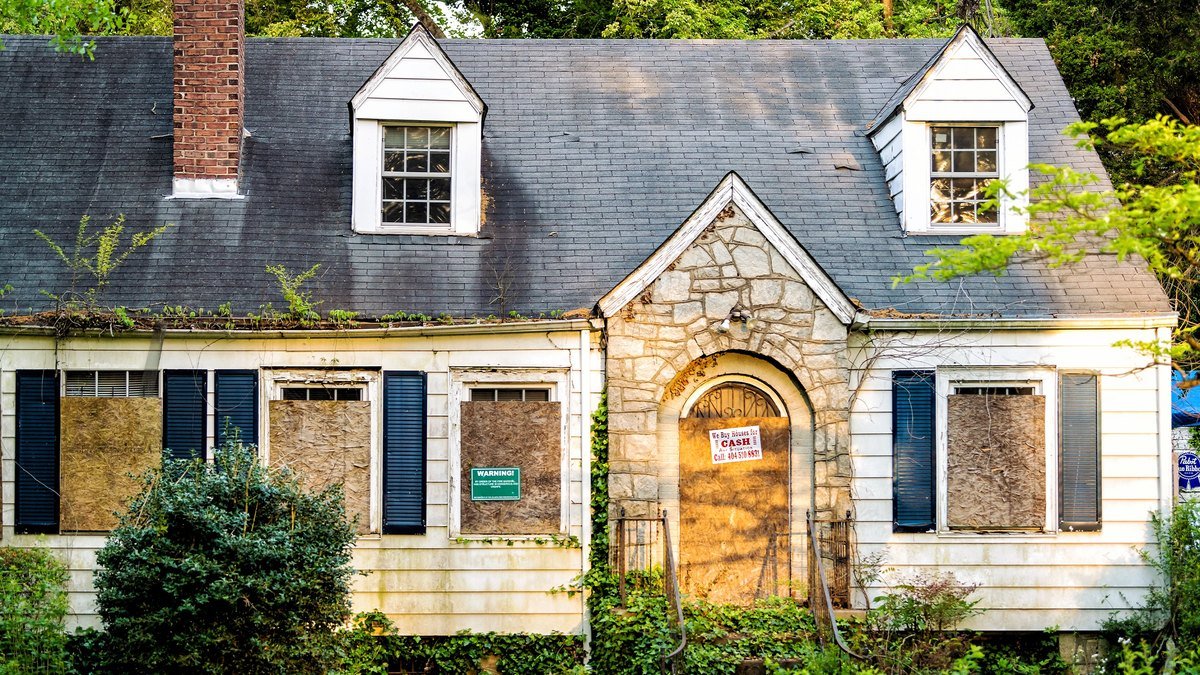

Zombie Foreclosures Decline Slightly Amid Housing Shortage
In the fourth quarter of 2026, the share of vacant properties across the United States fell to 1.2%, down from 1.3% in both the previous quarter and the same period last year, according to a new report from real estate analytics provider ATTOM. The decline reflects a modest improvement in occupancy, even as the nation continues to grapple with a severe housing shortage.
Vacancy Rates Drop to 1.2% in Q4 2026
ATTOM’s data shows that 269,195 properties were in the foreclosure process during the quarter, with 8,040 of them—about 3%—classified as “zombie” homes, meaning they were abandoned before the foreclosure was completed. That percentage is a slight decrease from 3.3% in the fourth quarter of 2025.
State-Level Shifts in Zombie Properties
While the national zombie share edged down, 29 states saw an increase in zombie foreclosures from the third to the fourth quarter. The largest jumps were in Wisconsin (+20.9% to 52), Maryland (+19.2% to 180), Pennsylvania (+17.2% to 252), and Texas (+15.7% to 192). Conversely, Arizona (−34.9% to 56), Florida (−19.6% to 2,220), California (−10.4% to 267), South Carolina (−9.6% to 141), and Oklahoma (−8.9% to 82) posted the biggest declines.
| State | Change (%) | Q4 Count |
|---|---|---|
| Wisconsin | +20.9 | 52 |
| Maryland | +19.2 | 180 |
| Pennsylvania | +17.2 | 252 |
| Texas | +15.7 | 192 |
| Arizona | −34.9 | 56 |
| Florida | −19.6 | 2,220 |
| California | −10.4 | 267 |
| South Carolina | −9.6 | 141 |
| Oklahoma | −8.9 | 82 |
Housing Supply Gap Exceeds 4 Million Units
Despite the dip in vacancies, the U.S. housing market remains constrained. March research from Realtor.com® estimates that the nation’s housing supply shortfall has surpassed 4 million units. The persistent lack of inventory has driven prices upward and pushed the median age of first‑time homebuyers to 40 in 2025, up from 33 in 2020, according to the National Association of Realtors®.
New Construction Slows, Prices Rise
The shortfall is compounded by a slowdown in new residential building. In September, home starts fell 5.2% from August and 7.4% from September 2025, while completions dropped 2.2% month‑over‑month and 14% year‑over‑year. Builders are offering price cuts and incentives, yet many prospective buyers remain hesitant, either because they are holding onto homes with low interest rates or because first‑time buyers are wary of current rates.
Buying a Zombie Property: Opportunities and Pitfalls
For buyers seeking an affordable entry point, zombie properties can be tempting. However, these homes often require extensive renovation and can involve complex title issues, unresolved insurance claims, and tax liens. Real estate investor Jesse Wyatt warns, “For the right buyer, these properties can create an opportunity to bring a neglected home back into use. But there is a big difference between seeing potential and rushing into a mess. A buyer should never assume that an empty property is available, abandoned by the lender, or free of complications.”
“The fourth‑quarter data showed modest declines in both vacancy and zombie foreclosure rates nationwide,” said Rob Barber, CEO of ATTOM. “While trends vary from state to state, vacant and abandoned homes continue to represent a relatively small share of the nation’s housing stock.”
As the market continues to grapple with limited inventory, the modest reduction in zombie foreclosures offers a glimmer of improvement, but the broader housing crisis remains a critical challenge for policymakers and industry stakeholders alike.
Real Estate, News, Finance, Business, Home, Society, Housing Market, Foreclosure, Zombie Properties, Construction, Home Buying


