

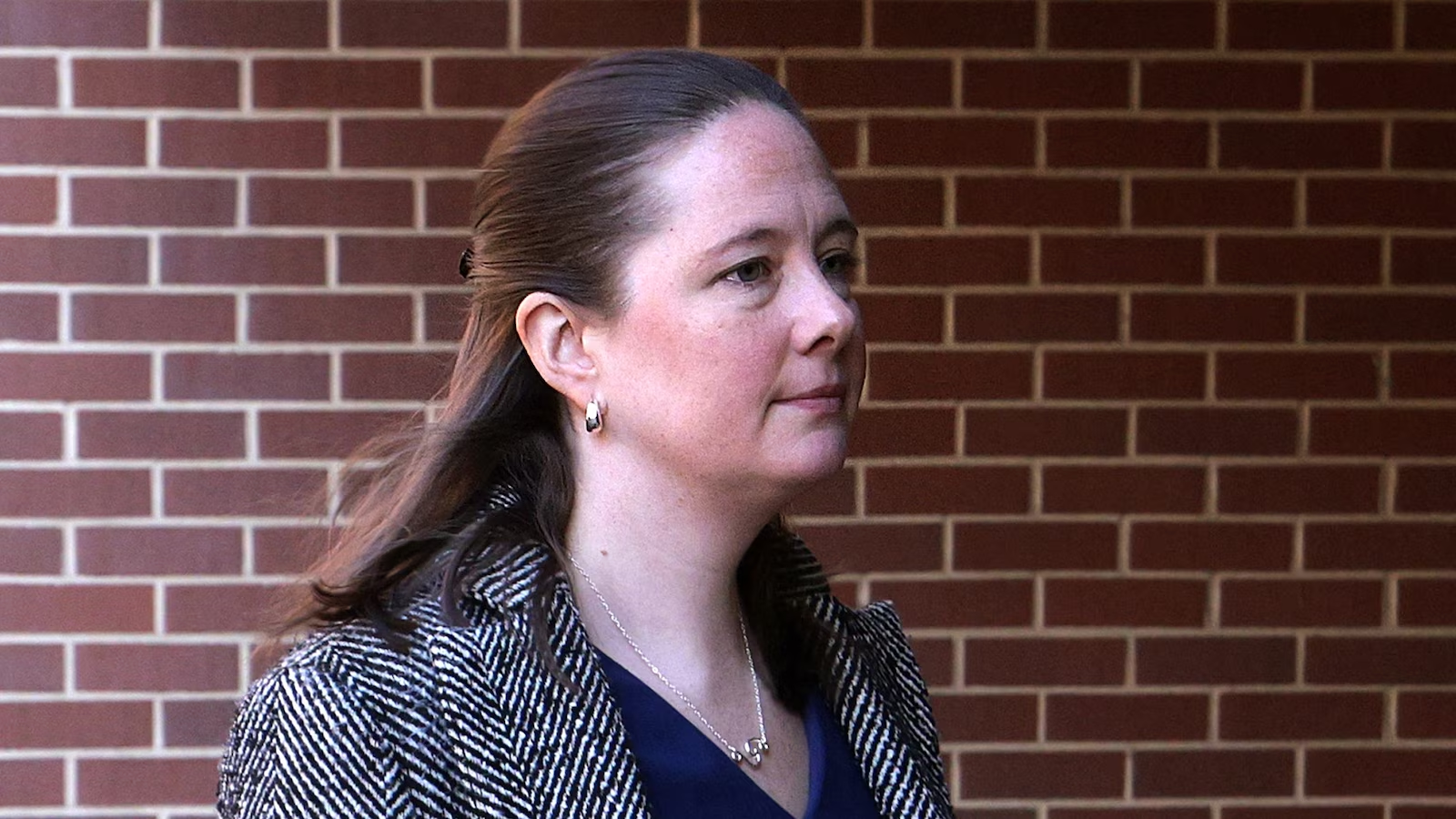

Judge Reinstates Maurene Comey After Court Rules Firing Unlawful
In a significant legal victory for Maurene Comey, a federal judge has ordered her reinstatement following a ruling that her termination was unlawful. The decision marks a pivotal moment in an ongoing legal battle that has drawn attention to employment practices within federal agencies and the protection of whistleblowers in government service.
The case stems from Comey’s dismissal earlier this year, which she challenged as wrongful termination. Known for her work as an attorney and advocate, Maurene Comey — daughter of former FBI Director James Comey — had been employed in a capacity requiring security clearances and high-level access within the federal system. Her firing sparked immediate controversy, particularly among civil liberties groups who raised concerns about potential retaliation or politically motivated action.
Background of the Case and Legal Proceedings
Comey filed suit in federal court shortly after her termination, alleging violations of due process rights and asserting that her removal was not consistent with established procedures. Her legal team argued that the circumstances surrounding her dismissal lacked transparency and violated protections afforded under federal employment law.
During hearings, evidence was presented regarding the nature of her role, internal communications preceding her termination, and precedents involving similar cases. Legal experts noted that the outcome could set important benchmarks for how federal employees challenge unlawful dismissals, especially those involving sensitive positions or security-related responsibilities.
Key Allegations and Court Findings
While details of classified information involved cannot be publicly disclosed, court documents indicate that Comey’s legal team focused on procedural irregularities and inconsistencies in the rationale provided for her termination. The presiding judge found merit in several of these arguments, concluding that proper protocols had not been followed and that Comey’s constitutional rights were compromised during the dismissal process.
“This ruling reaffirms the principle that no individual—regardless of their position—is above accountability,” stated one of Comey’s attorneys outside the courthouse. “Federal employers must adhere to fair and lawful processes when making personnel decisions.”
Reactions From Political and Advocacy Circles
The reinstatement has prompted varied reactions across Washington and beyond. Supporters have hailed it as a vindication of due process, while critics question whether this sets a precedent that might complicate future security-related employment issues.
Civil rights organizations, including the American Civil Liberties Union (ACLU), released statements praising the ruling as protective of broader workforce integrity. Meanwhile, some conservative commentators expressed concern over perceived leniency toward individuals linked to prominent political families.
Public and Media Response
Media outlets covering the story have emphasized both the legal implications and the symbolic resonance given Comey’s familial connections. Social media discussions have trended under hashtags such as #MaureneComey and #FederalWhistleblower, reflecting public interest in themes of justice, transparency, and bureaucratic fairness.
Legal analysts suggest that the case highlights evolving tensions around workplace protections in national security environments, where confidentiality often intersects with employee rights.
Implications for Federal Employment Law
Should this judgment stand through any appeals, it may influence standard operating procedures within federal departments regarding firings tied to sensitive roles. It also underscores growing scrutiny over how government agencies handle complaints and investigations involving staff at various levels.
Employment lawyers point out that federal workers face complex layers of oversight compared to private-sector counterparts. This case adds momentum to ongoing debates about striking a balance between maintaining institutional trust and safeguarding individual liberties within public service frameworks.
| Aspect | Details |
|---|---|
| Person Involved | Maurene Comey |
| Ruling Outcome | Ordered reinstatement by federal judge |
| Legal Grounds | Unlawful termination claim upheld |
| Broader Impact | Potential shift in federal employment norms |
Next Steps and Possible Appeals
Federal agencies retain the right to appeal judicial rulings related to employee reinstatements, particularly when classified matters intersect with personnel decisions. Legal observers anticipate that an appeal is likely, potentially reaching higher courts depending on the agency’s stance and the specific grounds cited.
If appealed successfully, however, Comey’s return would mark a rare instance of judicial intervention compelling rehiring in a compartmentalized federal context. That possibility continues to fuel debate among policymakers and legal scholars alike.
Monitoring the Developing Story
As more information emerges, updates will clarify whether other agencies take note of the ruling and adjust internal policies accordingly. For now, the reinstatement stands as a testament to the judiciary’s role in checking executive discretion—and underscores continuing questions about power, procedure, and protection in American governance.
Reporting contributed from Washington, D.C., and New York. Updates added based on latest court filings and expert commentary.
Government, Law, People, News, Society, Politics, United States, Federal Agencies, Legal System, Whistleblower Protection, Employment Rights, National Security, Civil Liberties, James Comey, FBI, ACLU, Judicial Decisions, Public Service, Accountability, Transparency


