


Florida’s 2026 Gubernatorial Race: What the Latest Headlines Actually Mean
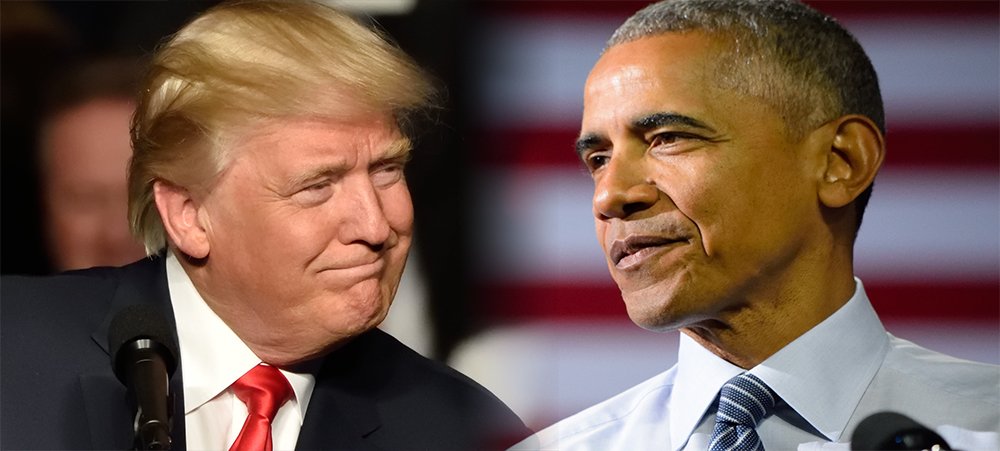
A recent story circulated on the FloridaPolitics website alleged a dramatic surge of high‑profile endorsements and massive fundraising activity ahead of the 2026 Florida gubernatorial election. According to the article, President Donald Trump was set to rally for Republican candidate Byron Donalds, while former President Barack Obama and even former President Bill Clinton were reported to be backing Democrat David Jolly and his running mate Gwen Graham. The piece also highlighted staggering fundraising totals, with Donalds reportedly hauling in roughly $12.5 million in a single week and Jolly’s campaign boasting over $5 million.
However, as of December 2025, independent verification of these claims shows no credible evidence that any of the named individuals have officially entered or endorsed candidates in the 2026 race. Public records, press releases from the campaigns, and statements from the political figures cited in the story do not confirm the reported endorsements. Similarly, the fundraising figures quoted do not appear in Federal Election Commission (FEC) filings or official campaign disclosures for the 2026 cycle. The lack of corroborating documentation suggests the earlier report may be speculative, outdated, or possibly mistaken.
The Claims of Political Endorsements and Their Verifiability
The narrative of a coordinated endorsement blitz between the two major parties has not been substantiated by reliable sources. As of the latest public information, Ron DeSantis, the incumbent governor, has not formally announced a re‑election bid, though political observers widely expect him to run. No official press releases or campaign websites indicate that DeSantis has endorsed any primary challenger such as Donalds.
On the Democratic side, the party’s field remains fluid. No major Democratic figure—including Obama, Clinton, or any sitting U.S. senator—has publicly thrown support behind Jolly, Graham, or any other declared candidate. The Democratic Party’s state committee has not released endorsements for the 2026 contest, and the most recent party communications focus on recruiting a strong challenger to DeSantis rather than backing specific individuals.
Fundraising Figures: Reported vs. Verified
The article’s fundraising claims are also unverified. FEC data for the 2024 cycle shows DeSantis’s campaign committee, “Friends of Ron DeSantis,” reported total receipts of roughly $50 million, far exceeding the amounts attributed to Donalds in the story. No filing exists for a “Byron Donalds for Governor” committee in the current election cycle.
On the Democratic side, campaign finance records for the 2026 race are limited. As of November 2025, the only candidate to file a statement of organization was former State Representative Bobbin C. Zhang, who reported modest receipts of $1.2 million. No filings exist for a “David Jolly for Governor” committee, nor for any campaign associated with Gwen Graham.
Current Realities: Known Candidates and Campaign Dynamics
The 2026 Florida gubernatorial election is still in its formative stage. While DeSantis has not announced, his extensive political operation and war chest make him the early favorite should he seek re‑election. Democrats are actively courting potential candidates, with names such as former Miami Beach Mayor Philip Levine, U.S. Representative Jared Moskowitz, and state legislators appearing in political speculation circles.
Public polling conducted in late 2025 shows DeSantis maintaining a double‑digit lead over a generic Democratic opponent, reflecting the state’s current political leanings. Issues such as housing affordability, health‑care costs, education funding, and climate‑resilience are already emerging as central themes in early campaign messaging.
Ron DeSantis: The Incumbent’s Re‑Election Outlook
DeSantis’s political action committee, “Florida Forward,” continues to raise funds at a robust pace. Recent filings indicate the committee retained more than $45 million in cash reserves as of September 2025, positioning the governor to mount a aggressive re‑election effort should he decide to run. The incumbent has not yet signaled a formal campaign launch, but his political team has been organizing grassroots events and building a statewide outreach network.
Emerging Democratic Prospects and the Battle for the Nomination
Democratic leaders are actively courting potential candidates to challenge DeSantis. Former Representative David Jolly has publicly expressed interest in exploring a run, though he has not yet formed an official committee. Similarly, former Congresswoman Gwen Graham has hinted at a possible candidacy, but no formal paperwork has been filed. These discussions are still in the early “exploratory” phase, with no definitive commitments recorded.
Other names frequently mentioned include State Senator Annette Taddeo, who lost a 2022 Senate race, and Former State Representative Robert R. Williams, who has been meeting with party insiders. All of these prospective candidates are currently limited in fundraising capacity, and the Democratic Party’s eventual nominee will likely need to build a national donor network to compete with the incumbent’s financial advantage.
Key Issues Shaping the 2026 Contest
Florida’s rapid population growth continues to strain housing markets, a concern that dominates voter conversations in both metropolitan and rural areas. Health‑care accessibility, especially regarding insurance premiums and Medicaid expansion, remains a pressing issue after years of debate in the state legislature.
Education policy is another flashpoint. Recent legislative battles over curriculum standards, school choice, and teacher compensation have polarized voters. Climate resilience, particularly in the wake of hurricanes and rising sea levels, is gaining traction as a decisive factor for coastal communities.
Implications for Florida’s Political Landscape
The early dynamics of the 2026 race set the stage for a broader national conversation about the Republican Party’s direction under Trump’s influence and the Democratic Party’s efforts to rebuild a competitive bench in a historically red state. Any credible Democratic challenge could reshape Florida’s role in future presidential elections, potentially flipping the state into a swing‑state status.
Meanwhile, the scrutiny of campaign finance and the importance of high‑profile endorsements will likely dominate political coverage. Voters will be watching not only the candidates’ policy proposals but also the transparency of their funding sources and the authenticity of any political support they claim.
In sum, while the recent article suggested a highly contested and well‑endorsed race, the current reality is a still‑emerging contest. The 2026 Florida gubernatorial election will be defined by the incumbent’s decision to seek re‑election, the Democratic field’s ability to coalesce around a viable candidate, and the state’s ongoing responses to critical issues such as housing, health care, education, and climate resilience.
Government, News, Business, Finance, Society, Florida Gubernatorial Election, Political Endorsements, Campaign Finance, 2026 Election


