
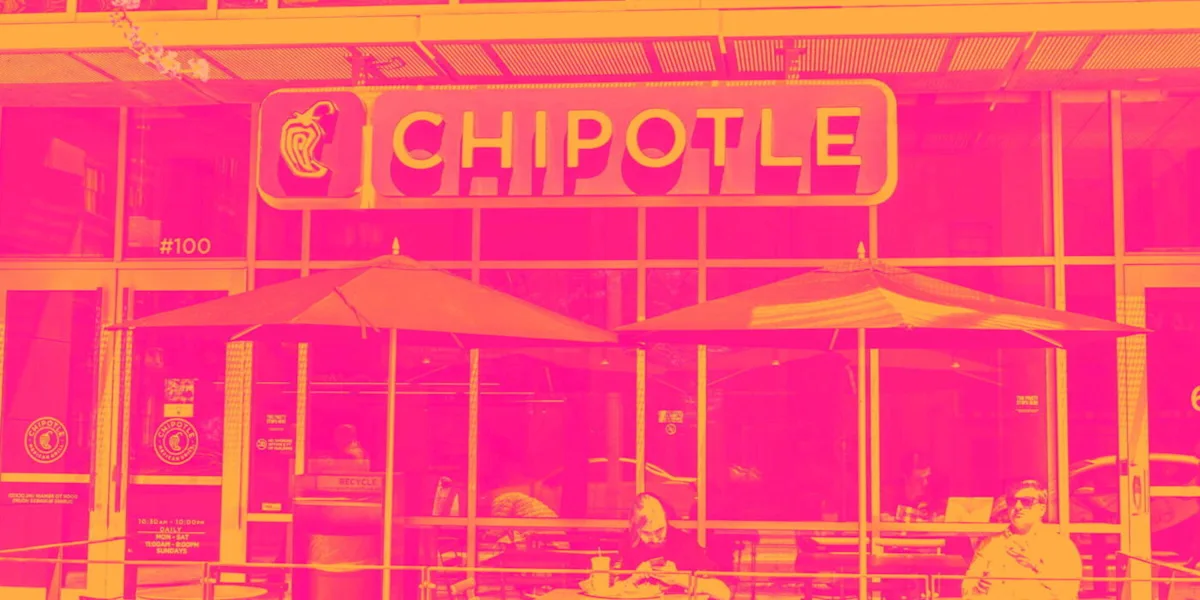


Is Chipotle Stock a Buy in 2025? Analyzing CMG’s Growth vs. Challenges
Chipotle Mexican Grill (NYSE: CMG) remains a dominant force in the fast-casual dining sector, celebrated for its customizable menu, commitment to fresh ingredients, and highly loyal customer base. However, even the most celebrated brands face periods of scrutiny. In recent months, Chipotle’s stock has experienced a notable pullback, trading at levels that spark intense debate among investors. With shares reflecting a forward P/E of 25.5x, the central question on every investor’s mind is whether this dip represents a compelling entry point or a warning sign of deeper structural challenges. This analysis dives into the core metrics driving the debate, balancing Chipotle’s formidable growth engine against the operational headwinds it currently faces.
The Bull Case: Why Chipotle Continues to Expand
For long-term growth investors, Chipotle’s foundational strengths are difficult to ignore. The company possesses a highly scalable business model and a brand equity that translates into strong consumer demand, even in competitive economic environments.
1. Aggressive Unit Growth and Market Penetration
A restaurant chain’s physical footprint is one of its most reliable levers for top-line revenue growth. Chipotle continues to expand its global presence at a rapid pace, operating thousands of locations worldwide. In the latest reporting periods, the company maintained an aggressive expansion trajectory, averaging high-single-digit annual growth in its total store count. By opening new restaurants in underserved markets and leveraging highly efficient formats—such as digital-only “Chipotlanes”—Chipotle successfully captures new demographics and drives consistent volume growth. This relentless expansion signals strong market demand and robust capital allocation by management.

2. Economies of Scale Give It Negotiating Leverage with Suppliers
With massive annual revenues exceeding $12.42 billion, Chipotle operates at a scale that provides significant strategic advantages. This massive market presence grants the company substantial negotiating leverage with suppliers. By sourcing ingredients in bulk, Chipotle can secure favorable pricing, optimize its cost of goods sold (COGS), and cushion itself against broader agricultural inflation. Furthermore, the brand’s high volume and customer loyalty provide a protective moat, allowing the company to maintain steady traffic even during periods of economic uncertainty.
One Reason to Be Careful: Flat Same-Store Sales
While opening new locations drives aggregate revenue growth, the performance of existing locations is a critical barometer of underlying brand health. Same-store sales measure growth at restaurants open for at least 12 months, isolating new openings from established performance. In Chipotle’s case, recent metrics have shown that demand within its existing dining footprint has plateaued, with same-store sales remaining flat over the past couple of years.
Flat Same-Store Sales Indicate Weak Demand
Flat same-store sales suggest that customer traffic and the average ticket size at established locations are not growing in tandem with the company’s new store openings. In a highly competitive quick-service restaurant (QSR) market, this stagnation can indicate that consumers are trading down, seeking greater value elsewhere, or experiencing menu fatigue. If existing restaurants are not generating robust organic growth, the company’s overall financial performance becomes heavily dependent on continuous, capital-intensive expansion, which carries its own set of operational risks.
Navigating Inflationary Pressures and Pricing Power
To protect margins in the face of rising labor and food costs, Chipotle has periodically increased its menu prices. While the brand’s strong loyalty has allowed it to pass these increases to consumers with relative ease historically, there is a limit. As prices rise, consumers may begin to perceive the brand as transitioning from a premium fast-casual option to a luxury expense, risking a decline in frequency of visits. Balancing margin protection with sustainable consumer pricing remains a delicate tightrope walk for management in 2025.
Valuation and Financial Health
From a valuation perspective, Chipotle trades at a premium multiple compared to traditional fast-food peers, reflecting investor expectations of superior growth and brand strength. Following the recent pullback, the stock presents a more reasonable entry point, yet it still commands a premium valuation. Investors are paying for Chipotle’s digital penetration, high-quality ingredients, and international expansion potential. The company’s balance sheet remains strong, characterized by healthy cash flows and disciplined capital returns, which provides comfort to long-term holders even during periods of operational softness.
Final Verdict: To Buy or to Wait?
Chipotle’s positive characteristics ultimately outweigh its near-term challenges. Its rapid unit expansion, strong brand equity, and massive scale provide a solid foundation for long-term growth. The recent stock pullback has brought the valuation to a more attractive level, making it an appealing proposition for investors seeking exposure to the premium quick-service restaurant sector. However, the flat same-store sales and macroeconomic pressures warrant close monitoring. For prospective investors, initiating a measured, gradual position while keeping an eye on upcoming quarterly same-store sales metrics is a prudent strategy.
Business, Finance, Food, Shopping, Society, News, Online, Stock Market, Investment Analysis, Restaurant Industry, Consumer Discretionary, Equity Research