

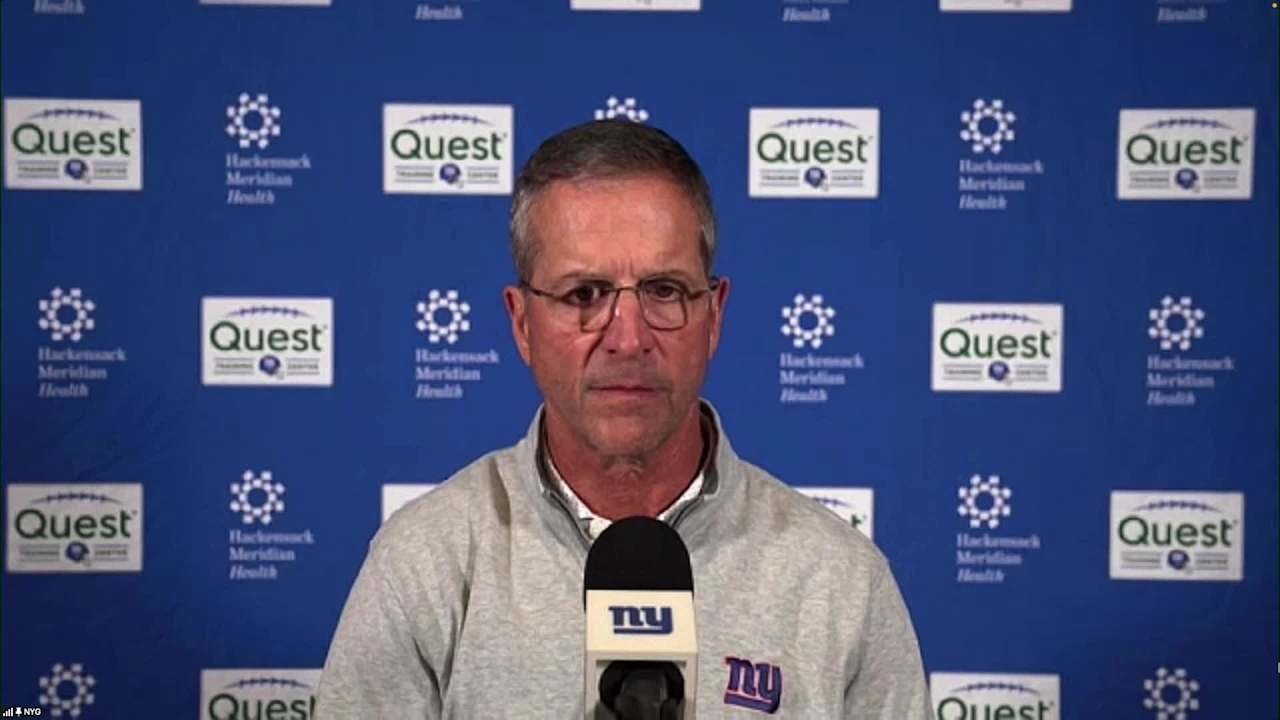

John Harbaugh’s Perspective on the Giants’ Quarterback Crisis
The New York Giants find themselves once again at the crossroads of quarterback development, a challenge that echoes through the history of NFL coaching. Among those whose insights have shaped—and sometimes complicated—this journey is former Tennessee head coach John Harbaugh. Known for his transformative impact on college football and his willingness to take bold risks, Harbaugh’s departure from the Giants in late 2023 marked the end of an era and raised critical questions about how to build a sustainable offense. As the franchise navigates a complex landscape of talent, expectations, and organizational change, Harbaugh’s legacy offers valuable lessons for the modern NFL.
Harbaugh’s Coaching Philosophy and QB Priorities
Throughout his career, John Harbaugh has been defined by a relentless commitment to player development and a belief that greatness begins with fundamentals. At Tennessee, he transformed a program plagued by inconsistency into a perennial contender, emphasizing discipline, preparation, and a culture of accountability. When he accepted the head coaching job with the New York Giants in 2020, Harbaugh brought with him a vision centered on holistic growth—not just winning games, but cultivating leaders who could adapt to evolving schemes and sustain success over decades.
His approach to quarterback play was rooted in patience and thorough evaluation. Harbaugh often prioritized character alongside raw talent, believing that a quarterback’s ability to lead, communicate, and maintain composure under pressure was paramount. This philosophy extended to roster construction, where he sought players who demonstrated maturity and a willingness to learn. While the Giants achieved immediate success under his guidance—including a trip to Super Bowl LVI—the subsequent years revealed cracks in that foundation, prompting his ultimate resignation.
The 2023 Departure and Its Aftermath
The decision to fire John Harbaugh came after a disappointing 2023 season, characterized by inconsistent performances and mounting pressure from front office stakeholders. Despite a strong start to the year, the Giants faltered in crucial moments, failing to capitalize on opportunities against top-tier opponents. Harbaugh himself acknowledged the difficulties, stating that the team needed a renewed sense of purpose and cohesion. His exit was framed as a necessary step toward rebuilding, though critics argued that the timing reflected deeper systemic issues within the organization.
Following his dismissal, the Giants entered a transitional phase marked by frequent coaching changes and a scramble to stabilize their offense. The loss of Harbaugh’s steady hand created uncertainty, particularly regarding the future direction of the team’s quarterback system. Fans and analysts alike questioned whether the franchise could maintain its competitive edge without the stability that Harbaugh provided.
Current State of the New York Giants’ Offense
Today, the Giants operate with a fluid quarterback landscape that reflects both the challenges of transition and the realities of modern NFL roster management. The starting role has oscillated among several candidates, including rookie Jalen Reddick, veteran Sam Ehlo, and various backups. This instability underscores a broader struggle: balancing immediate results with long-term development. Without a consistent leader, the offense has struggled to establish identity, often relying on situational adjustments rather than a cohesive game plan.
The team’s reliance on young talent like Reddick highlights the high stakes of quarterback development in the contemporary NFL. Unlike the traditional model where veterans anchor the offense, the Giants have embraced a developmental approach, betting heavily on prospects to fill the void left by Harbaugh’s absence. While this strategy carries potential rewards—such as discovering hidden gems—it also exposes the organization to greater risk if the pipeline does not yield expected returns.
Evaluating Quarterback Talent in the Modern NFL
John Harbaugh’s tenure offers a lens through which to examine the evolving standards for evaluating quarterbacks. His emphasis on intangibles—leadership, resilience, and adaptability—remains relevant even as analytics increasingly dominate scouting processes. Today’s evaluators weigh metrics like completion percentage, passer rating, and clutch performance, yet they must also consider intangible qualities that Harbaugh championed.
Modern quarterbacks face unprecedented demands, from managing complex playbooks to navigating media scrutiny. Teams must therefore develop a nuanced approach that blends quantitative analysis with qualitative assessment. The Giants’ current situation exemplifies this tension: they seek proven performers while simultaneously investing in developmental projects. Success will depend on their ability to identify individuals who can thrive under pressure and contribute beyond their statistical outputs.
Strategic Challenges Facing the Giants
The path forward for the New York Giants involves addressing several interconnected challenges. First, there is the need to stabilize the offensive line, which serves as the foundation for any quarterback’s success. Second, the organization must cultivate a culture that values continuous improvement over short-term wins. Finally, leadership must emerge organically from within the roster, rather than being imposed from the top down.
From a strategic standpoint, the Giants are caught between competing priorities. On one hand, they require immediate results to satisfy fans and ownership. On the other, they must invest in long-term solutions that may not bear fruit for years. John Harbaugh’s career illustrates that sustainable success rarely comes from quick fixes alone; it demands patience, vision, and the willingness to make difficult decisions.
Leadership and Team Culture Considerations
A critical component of any successful quarterback system is the surrounding culture. John Harbaugh built his teams by fostering environments where players felt empowered to take responsibility and innovate. The Giants’ current climate, however, suggests that such a culture has not yet taken root. Establishing clear expectations, promoting accountability, and encouraging open communication will be essential for attracting and retaining talent.
Moreover, the integration of younger players into established roles requires careful calibration. Youngsters like Jalen Reddick bring energy and potential, but they also demand support systems that can guide their development. The Giants must balance the excitement of newcomers with the discipline of experienced veterans, ensuring that neither group overshadows the other in critical moments.
Conclusion and Looking Ahead
John Harbaugh’s experience with the New York Giants serves as both a cautionary tale and an inspiration. His departure underscored the fragility of success built on rapid transformation, while his philosophy continues to inform how teams approach quarterback development. As the Giants navigate their next chapter, the lessons from Harbaugh’s tenure offer a roadmap for building a resilient, adaptive offense.
The future of the franchise hinges on its ability to learn from past mistakes and embrace a more sustainable model of quarterback management. Whether through continued investment in development or strategic acquisitions, the path forward must prioritize long-term viability over fleeting victories. In the end, the greatest measure of success will be the team’s capacity to evolve while honoring the principles that made John Harbaugh one of the sport’s most respected coaches.
Categories: Sports, Football, NFL, Coaching, Team Management, Quarterback Development


