


Early Voters Express Disappointment in Trump Amid Swing State Polling
As early voting kicks off across the nation, a new NPR study reveals deep frustration among swing voters about President Donald Trump’s performance and growing dissatisfaction with the direction of the country. The findings suggest that a majority of voters who previously backed President Biden in 2020 are now considering switching to the Democratic candidate ahead of the November midterm elections.
Early Voting Momentum in Atlanta
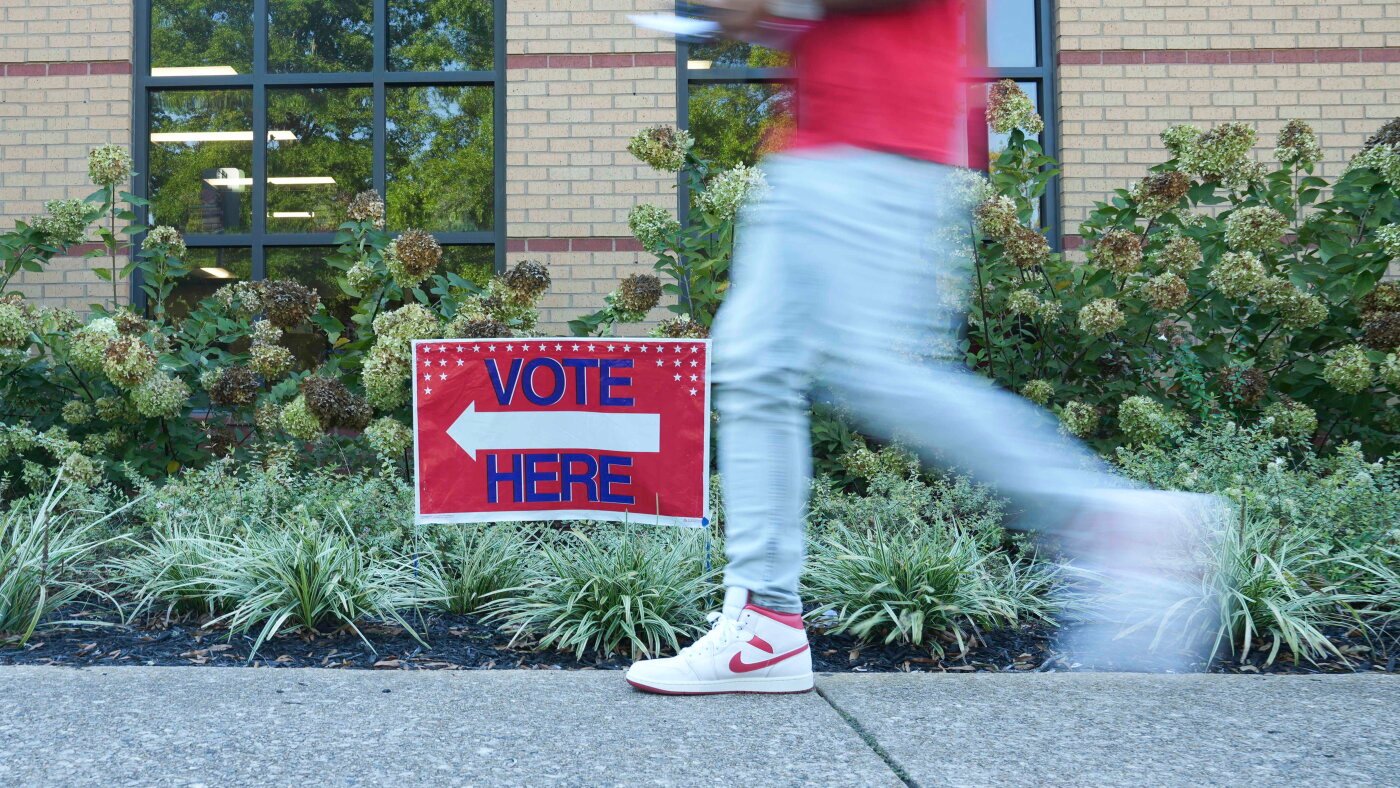
In Atlanta, the first day of early voting saw residents gathering at the East Point Library as citizens exercised their right to cast ballots before Election Day. An accompanying NPR report highlights a recent focus group study that brought together 12 Georgians—eleven of whom voted for President Biden in 2020 and one who supported Trump in 2024—to gauge shifting political attitudes.
“The shift in voter sentiment is striking,” explained Rich Thau, president of Engagious, which runs the Swing Voter Project. “For the first time this year, a majority of swing voters indicated that President Trump would influence their midterm decision-making. Seven out of twelve participants said he would push them toward the Democratic candidate.”
Charles P., a 43-year-old Democrat, shared his perspective after participating in the focus group. “I’ve been disappointed,” he said. “Inflation has only gotten worse, there’ve been more wars. The tariffs haven’t done anything. It seems like everything has gone downhill. I’ve been disappointed, so I’m just going to go straight and vote Democrat.”
Economic Anxiety Fuels Political Shifts
Underlying much of this voter disillusionment is a pervasive sense of economic instability. Richard A., a 56-year-old Republican, described his struggles working ten months out of work while pointing to broader national challenges. “Food crisis, starting the war with Iran, inflation—I just don’t feel like there’s any positive to this administration at all,” he said. “It seems like we have more enemies now than ever. I just don’t see anything positive with his tenure.”
These sentiments align with broader national trends showing declining approval ratings for the president and a darkening outlook for Republicans in the coming elections. Despite efforts by the Trump campaign to regain momentum through increased travel and messaging, many voters remain skeptical of the path forward.
Democratic Appeal Among Independent Voters
Among independents, the trend toward the Democratic party is particularly strong. Ten out of twelve participants expressed a desire to support Georgia incumbent Senator Jon Ossoff, citing his alignment with anti-Trump values. “I think we’re not going in the right direction, so I don’t want to vote for a candidate that’s not going to stand up to him or they’re going to go along with his policies,” said Cedric, a 41-year-old independent.
Thau noted that some voters view a Democratic-controlled Congress as a potential stabilizing force. “There was some sense that Democrats could restore some semblance of order, and that they’d be able to control a bit of what the president is trying to do or has been doing, to the point where that might restore some of their confidence in the economy,” he explained.
Independent Preferences Reflect Broader Disillusionment
Independent voters like Thomas M., a 65-year-old, echoed similar sentiments. “If Democrats take control of Congress, it could provide some needed stability to the country—and the economy, in particular,” Thau observed. In contrast, some Republicans worry that maintaining Republican control would allow the president more influence. “In contrast, if Republicans retain power, some respondents told us they thought that the president would have even more control over what goes on because Republicans are afraid to stand up to him,” the researcher noted.
Jennifer W., a 43-year-old Republican, voiced her concerns directly. “I worry that Trump would have free rein,” she said. These divergent views underscore the complexity of the current political landscape, where traditional party lines are increasingly blurred by policy disagreements and personal experiences.
Implications for Upcoming Midterm Battles
The findings from NPR’s Swing Voter Project offer valuable insights into the evolving dynamics of the 2024 election cycle. With early voting already underway and voter enthusiasm fluctuating based on personal circumstances and political satisfaction, the upcoming midterms promise to be a critical test of both parties’ ability to connect with their bases.
As the nation prepares for the November contest, the weight of these early polling results suggests that voter sentiment remains fluid and highly sensitive to perceived leadership failures. Whether the Democratic Party can capitalize on this wave of disillusionment—or whether the Republican coalition can overcome internal divisions—will shape the trajectory of American democracy in the years to come.
Politics
News
Government
Society
People


